Unit 1: Political Theory
Candidates study the key political concepts of power, authority and legitimacy, with particular reference to the work of Steven Lukes and Max Weber, and analyse the relevance of these concepts today. They study the nature of democracy and the arguments for and against direct and representative democracy, including the works of relevant theorists. Candidates study the key ideas of two political ideologies (from Liberalism, Conservatism, Socialism, Nationalism, and Fascism) including the works of relevant theorists, and draw balanced conclusions about the chosen ideologies. Relevant case studies are used from either local, national or international contexts, as well as different historical contexts.
Unit 2: Political Systems
Candidates study the constitutional arrangements in different political systems. The detailed study of the political systems focuses on the roles of the executive and legislative branches within each system. Candidates compare and contrast the respective powers of individual branches of government within the two political systems, and draw balanced conclusions about these.
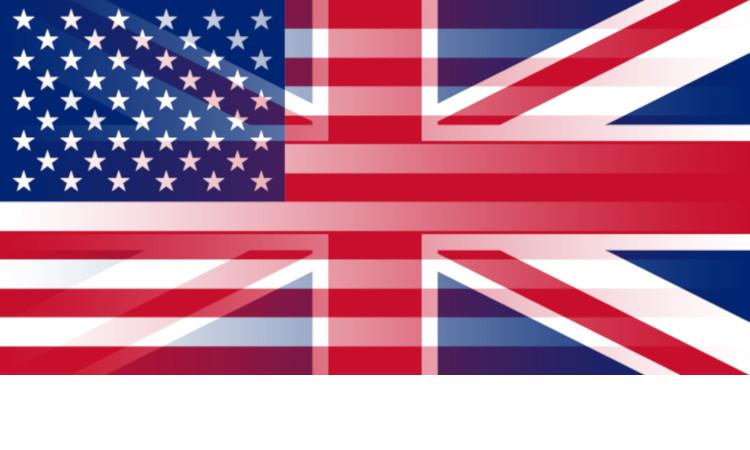
Candidates study two political systems: the UK political system and the political system of the United States of America. Candidates take a comparative approach which reaches conclusions about the sources of power within two political systems.
Unit 3: Political Parties & Elections
Candidates compare the electoral impact of two different dominant ideas. This can either be from within one political party or between two different political parties. Candidates can choose from the following: the Conservative Party, Labour Party, Liberal Democrats or Scottish National Party. These ideas are studied alongside the impact of political campaign management strategies and theoretical analyses of voting behaviour.
Relevant case studies are used from Scotland, the United Kingdom, or both Scotland and the United Kingdom.