National 4 Rural Skills
Rural Skills is taught by Ms Wilson.
Ms Wilson works in the Support for Learning department of Langholm Academy. She holds a B.Sc (Hons.) in Zoology from the University of Glasgow, a M.Sc Wildlife Biology and Conservation from Napier University and a P.G.C.E. (Secondary) Biology with Science from Strathclyde University. She also gained Professional Recognition from GTCS for "Leading for Excellence in Science". Prior to her appointment to the Support for Learning department, Mrs Ginns taught Biology at Langholm Academy for 19 years.
Ms Wilson continues to develop her knowledge of supporting learners with additional support needs, having gained awards in Understanding Autism and Understanding Dyslexia. Ms Wilson currently holds GTCS Professional Recognition in Dyslexia and Inclusive Practice. Other recent courses Ms Wilson has undertaken include Dyscalculia, Situational mutism, Differentiation, Developmental Language Disorder and Technology to Support Dyslexia.
Structure of National 4 Rural Skills
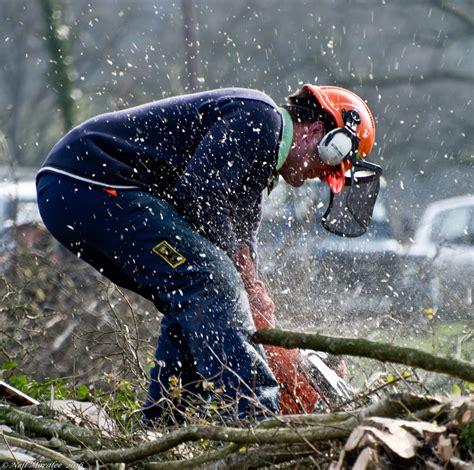
Rural skills is classed as a “Skills for Work”, SQA. qualification. Skills for Work courses focus on employability skills needed for the workplace, giving learners opportunities through practical experiences. In order to facilitate these learning experiences we forge meaningful partnerships with a range of local community partners. Through partnerships we are able to expand when, where, how, and what students learn. Due to the nature of the course, most practical activities take place outdoors. This means being outside in rainy, windy, sunny or muddy conditions. Approximately half of the time pupils will be outside in the school grounds, local community or at a community partner location, carrying out practical tasks. The remainder will involve traditional learning activities and portfolio completion within a classroom environment.
There is no final exam for Rural Skills. Instead, Rural Skills is assessed continuously across the academic year through the production of a portfolio of written notes, short reports, presentations, photographic evidence and journal entries.
In order to complete the National 4 Rural Skills course, learners participate in five units of learning:
Estate Maintenance
Outcomes require identification, description and use of a range of tools and equipment. Tolls are used to undertake a range of estate maintenance tasks. The learner will develop manual dexterity that will be useful for progression to higher levels of manual and machinery skills used in specific land-based industries.
Land-Based Industries
Learners explore the diverse nature of industries that exist in the land-based sector, exploring job opportunities and the qualities/ skills required to work in some of these industries.
Employability Skills
This unit is integrated into practical tasks undertaken as part of this course. The learner has the opportunity to develop some of the employability skills that are valued by the land-based sector including good time-keeping, attendance, safe working and team working. They will have the opportunity to review and evaluate their progress in developing these skills. Additionally, learners evaluate risk, safety and minimisation of risk.
Crop Production
Learners develop basic skills and knowledge that is required in the production of plants in a work setting. This includes preparing growing medium, plant establishment and maintaining the plant. The products made from a range of crops is also considered.
Soft Landscaping
This unit allows learners to develop some of the basic knowledge and skills required for soft landscaping. This unit is designed for delivery within the context of a landscape project, which will take place within school grounds.
