Metacognition and evidence based study skills

Metacognition - what is it?
According to Dr Jonathan Firth, University of Strathclyde
Cognition includes a set of everyday mental processes, including:
• beliefs
• paying attention
• thinking
• problem solving
• reflecting
• learning
• memory
• language
In short, it covers everything that your mind does on a moment-to-moment basis!
Metacognition means cognition about cognition. It’s also commonly defined as thinking about thinking.
In the article below Dr Firth explains the three key elements of using metacognition in learning.
1- Planning - What strategy am I going to employ to be successful in my task. For example if I am going to write an essay will I use a concept or mind map to order my thinknig before using a PEEL paragraph format?
2- During - Is this approach working? Am I getting the results I set out to achieve? If not what should I change to improve my work?
3- Reflecting - How did that go? What would I do differently next time? What other strategies or resources would I use?
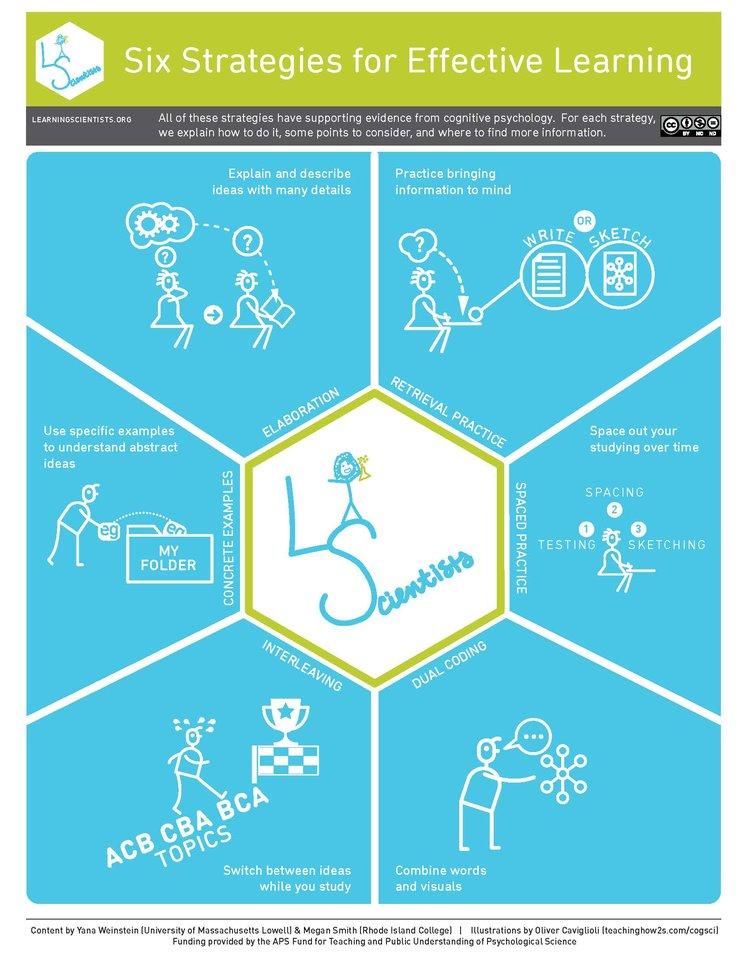
Six Evidence based strategies for learning
The Learning Scientists are cognitive psychological scientists interested in research on education. Below are presentation slides on how to use the 6 strategies.
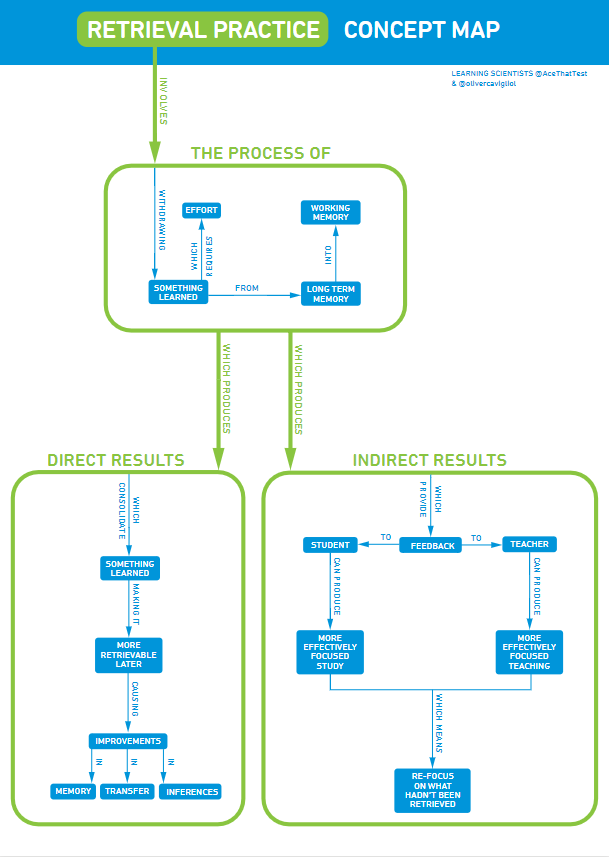
Benefits of retrieval practice
British Psychological Society

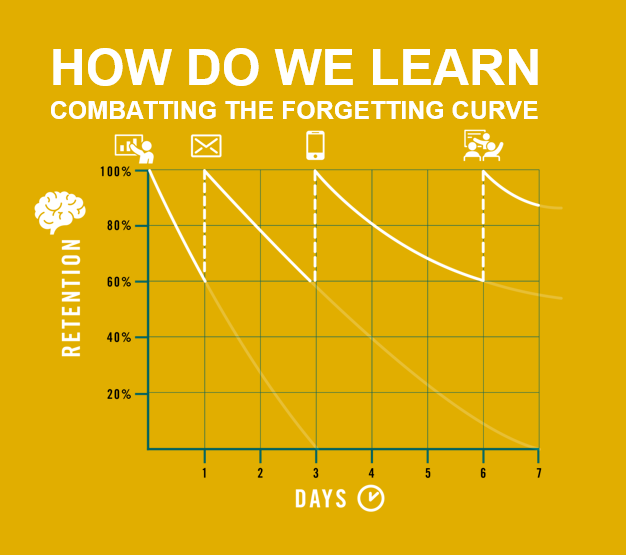
Forgetting is important!
The graph above shows how quickly we forget things. Our working memory has a capacity of up to around 30 seconds and can hold 7+/-2 items at a time. We rehearse information like phone numbers in order to dial them, but that information then leaves our working memory. It won't be transfered to our long term memory without further practice. We cannot say that we have actually learned a thing unless we can retrieve that information at a later date.

The Learning Jigsaw
In her book Retrieval Practice: Research and Resources for every classroom, Kate Jones uses her learning jigsaw to explain how all the ways we learn are interconnected. Each piece of the puzzle is significant to our success. Kate is also author of the document below.

|
Love-To-Teach---Study-Guide | [pdf 514KB] |

|
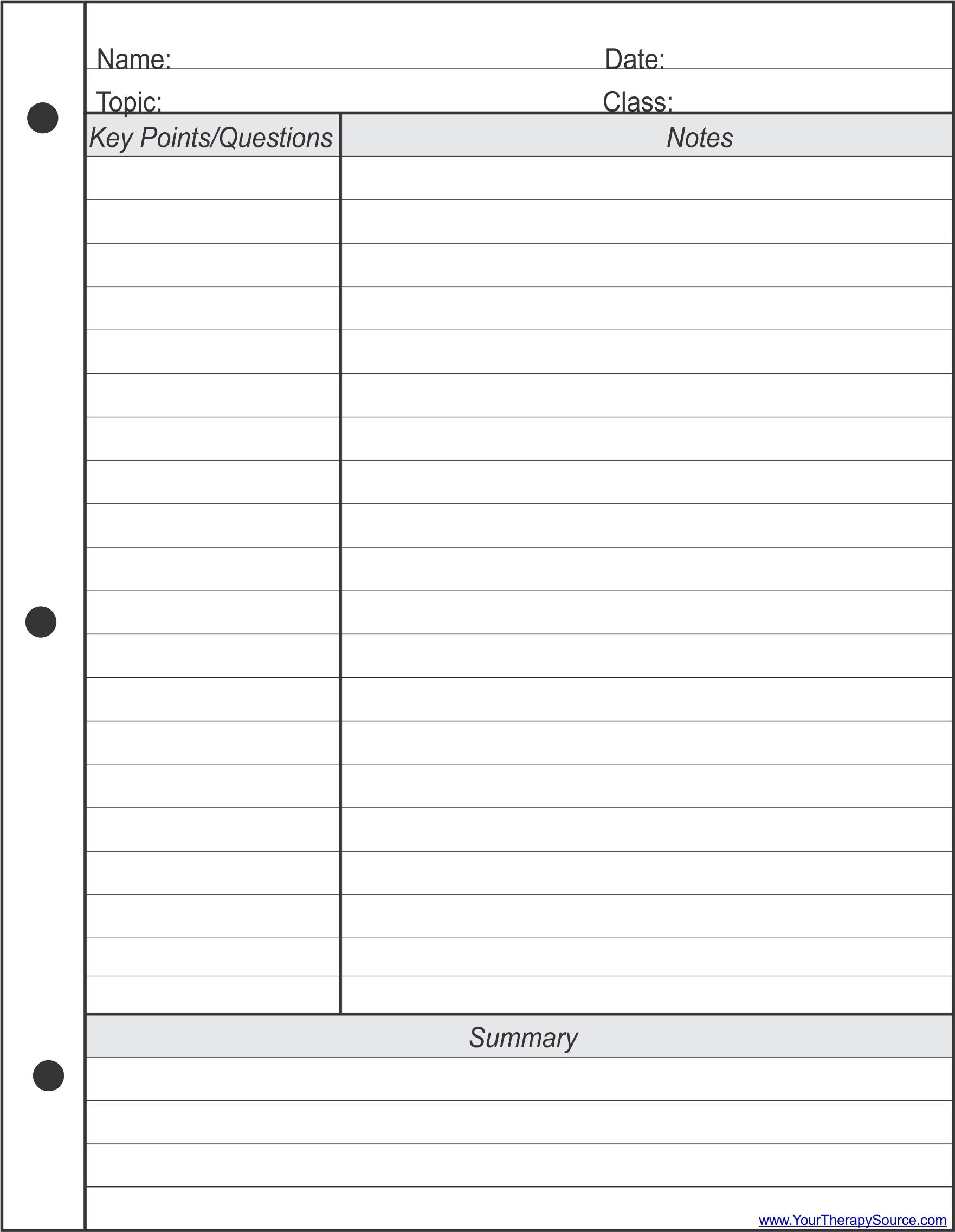
The Cornell Note Taking Template
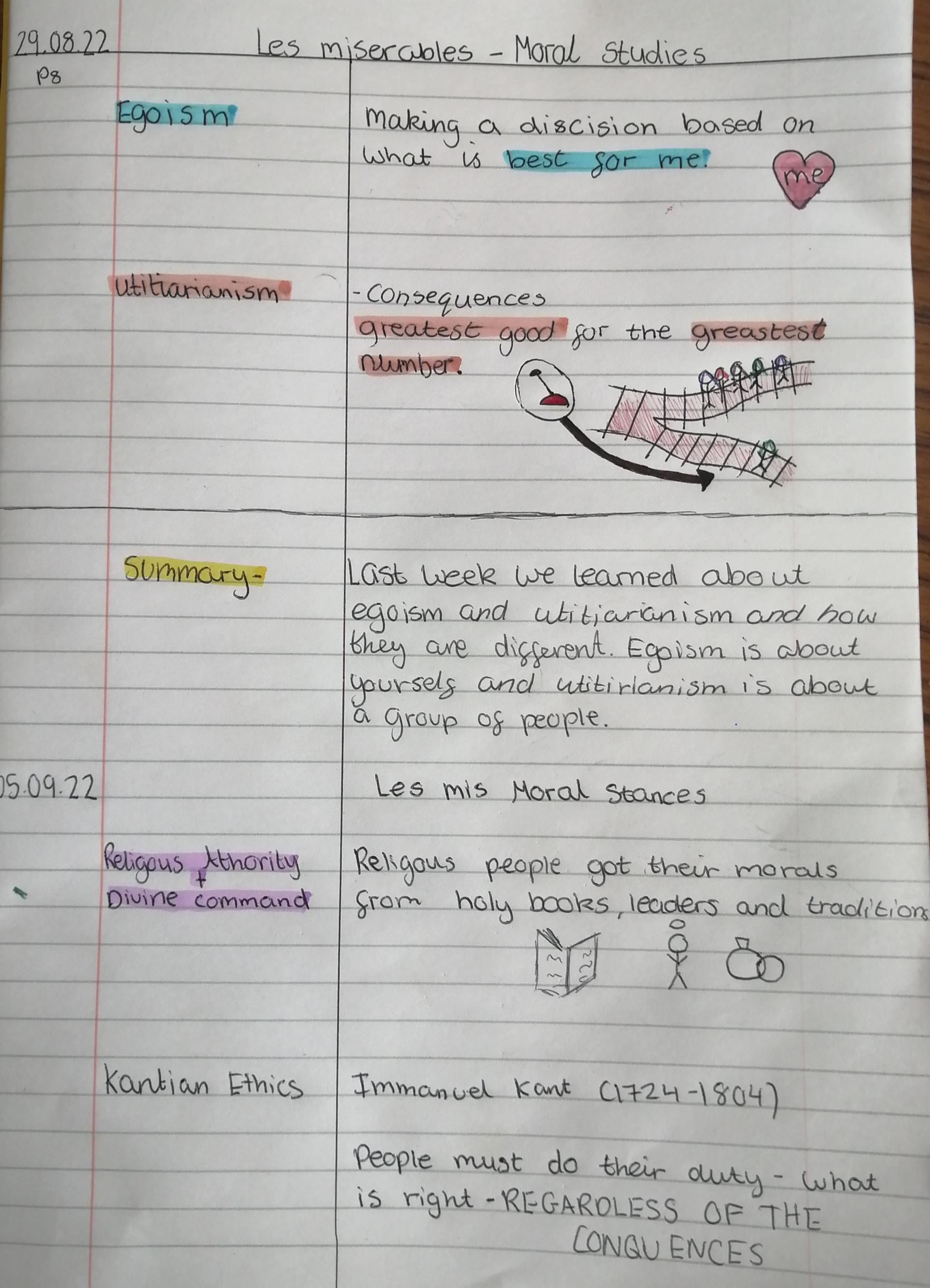
Invented in the mid 20th Century by Professor Walter Pauk, the Cornell note taking method was divised to help organise notes for students at university. The layout provides space for key terms or questions, another for more detailed notes and a summary section at the end. Pupils at Langholm Academy who have adopted this system have reported better understanding of notes taken in class and therefore easier revision from them at a later date. The summary section is a very easy way to practice spaced retrieval. If you go back to complete it a week after you write the notes you are refreshing your memory and helping 'nudge' your learning into your long term memory stores.
Cornell note taking example from S3 pupils in RME
You can see from this example that the pupil has used the Cornell note taking template to good effect. They have used colour to link concepts and detail and dual coding with images that support the text. After lesson 1, they have summarised their learning using spaced retrieval practice as well.
Other useful resources
|
|
Memory for learning | [pdf 5MB] |
|
|
|
Task Revision timetable | [pdf 177KB] |
|
|
|
Evening revision timetable | [pdf 178KB] |
|

|
Holiday Revision Timetable | [doc 39KB] |
|
|
|
howtoplan | [pdf 386KB] |
|

|
revision planner | [docx 15KB] |
|
