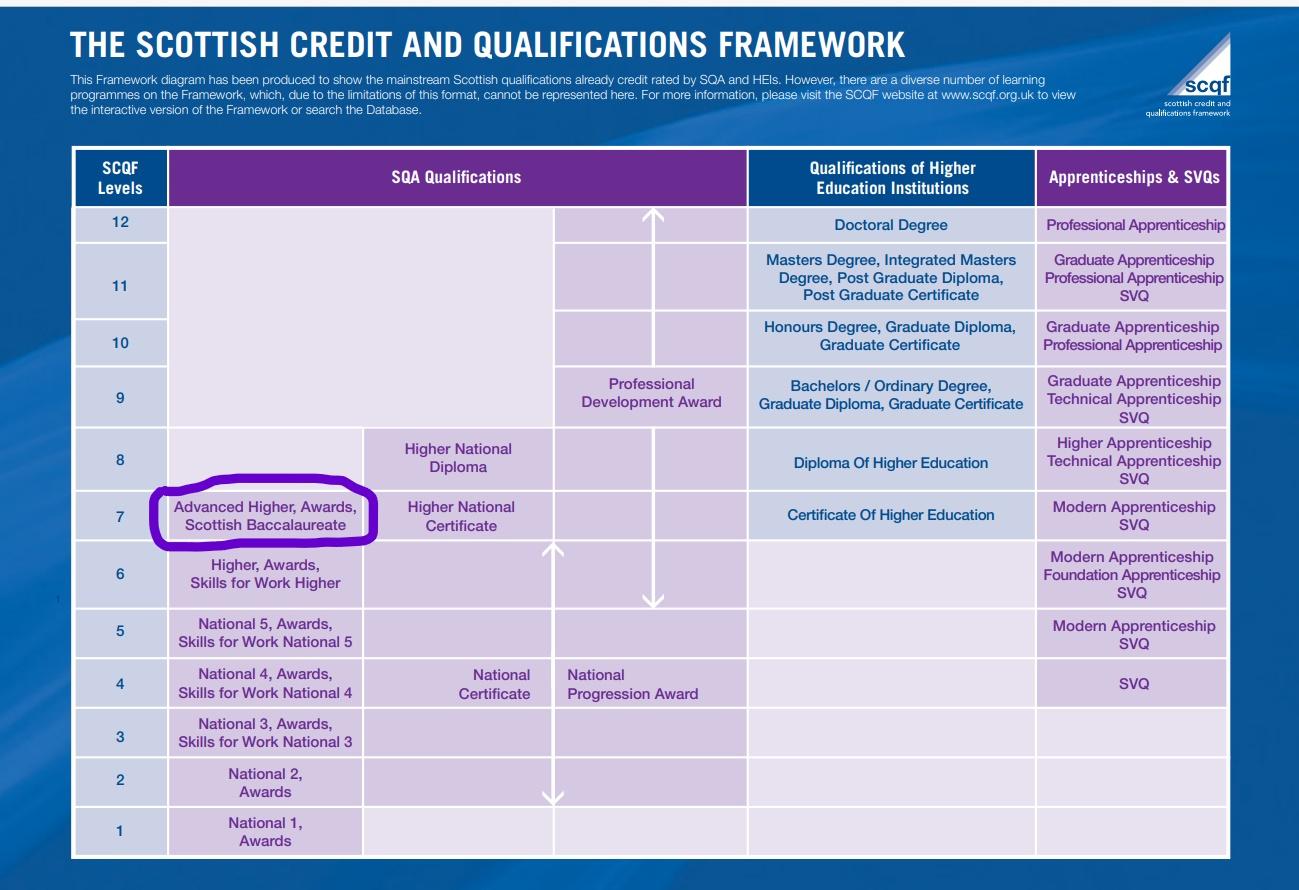
Advanced Higher Religious Moral and Philosophical Studies
How can you support your young person in their RMPS career? Encourage timely completion of homework, discuss current moral issues, ask them to explain their learning to you.
SQA Advanced Higher RMPS
This course allows candidates to extend the knowledge and skills they may have gained from a range of different subjects, or from experiences in Religious, Moral and Philosophical Studies courses at lower levels.
The course explores how religion, morality and philosophy are at the core of human history and culture. Candidates develop an understanding of the significance and continuing impact of these subjects on the world today. They apply skills, knowledge and understanding to a range of religious, moral and philosophical questions, and learn to critically evaluate how these questions affect people’s lives and values. Candidates explore their understanding of different viewpoints and beliefs, and develop and apply insights into a variety of viewpoints. They also explore challenges to these viewpoints.
The course enables candidates to deepen their understanding of significant ethical, theological and philosophical themes, and of society’s religious and social diversity.
Candidates:
- develop in-depth knowledge and understanding of arguments and responses to a range of religious, moral and philosophical issues arising from the philosophy of religion and religious experience
- analyse and evaluate perspectives, arguments and evidence
- carry out self-directed independent research into a religious, moral or philosophical question or issue
- develop accuracy and attention to detail when carrying out independent research
Assessment is comprised of two components; the exam which is worth 90 marks out of 140 marks and the dissertation which is worth the remaining 50 marks out of the 140.

|
AHCourseSpecRMPS | [pdf 622KB] |

|
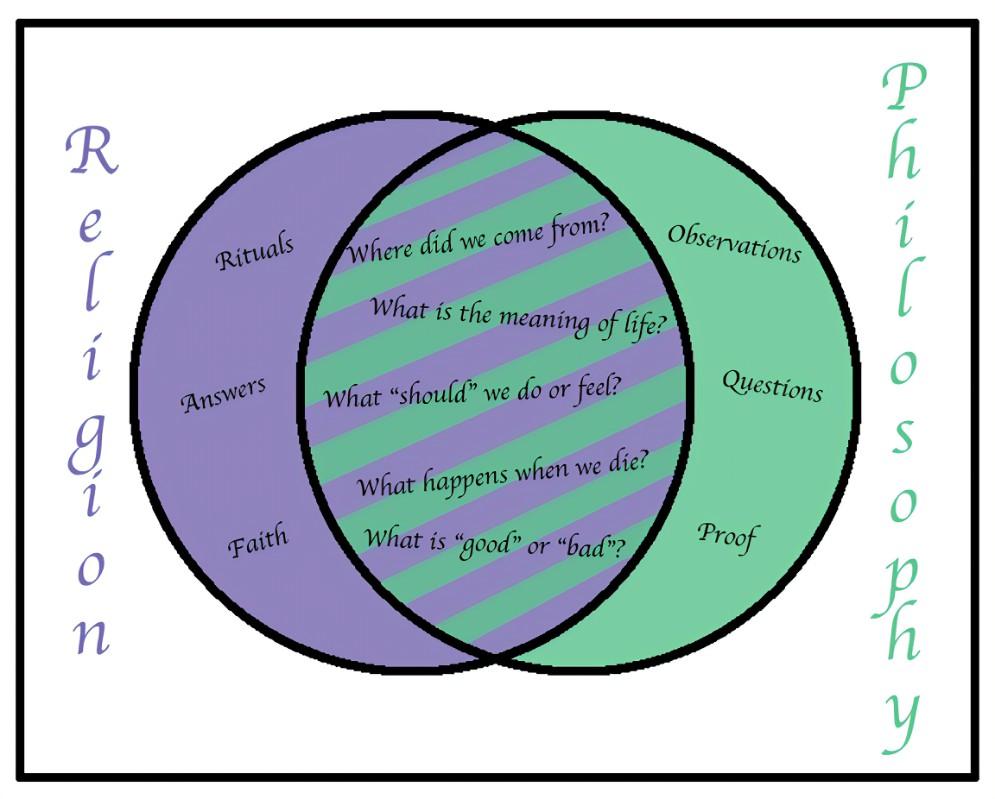
Philosophy of Religion
This unit supports candidates to:
- develop in-depth knowledge and understanding of arguments surrounding the existence of God, and responses to them
- analyse arguments surrounding the existence of God
- analyse responses to these arguments
- evaluate the arguments and responses
Candidates studying the Philosophy of religion unit will cover the following content:
Cosmological argument and responses
- Aquinas: argument from motion, contingency, causation
- Leibniz: principle of sufficient reason
- Kalam argument
- Philosophical responses
- Scientific responses
- Religious responses
Teleological argument and responses
- Aquinas: argument from design
- Paley: argument from design
- Argument from intelligent design
- Philosophical responses
- Scientific responses
- Religious responses
Atheism and responses
- The improbability of God
- Incoherence of the God of classical theism
- Presumption of atheism
- Philosophical responses
- Scientific responses
- Religious responses

Religious Experience
This unit supports candidates to:
- develop in-depth knowledge and understanding of the nature of religious experience
- religious and non-religious responses to religious experience
- analyse religious and non-religious arguments surrounding religious experience
- analyse responses to these arguments
- evaluate the arguments and responses
Candidates studying the Religious Experience unit will cover the following content:
Understandings of religious experience
- James’ ideas about religious experience
- Otto’s ideas about religious experience
- Swinburne’s ideas about religious experience
Faith perspectives
- Mystical experiences
- Conversion experiences
- Miracles
- Sensory experiences
- Personal relationship
- Meditative experiences
Alternative accounts of religious experience
- Psychological accounts of religious experience
- Scientific accounts of religious experience
- Sociological accounts of religious experience

The Dissertation
Candidates will identify a complex religious, moral or philosophical question or issue which allows them to research a wide range of views. They will do this by:
- choosing an appropriate religious, moral or philosophical question or issue to research
- using a wide range of sources in the research and presentation of the dissertation
- presenting relevant, in-depth factual knowledge
- drawing information together coherently
- analysing arguments and evidence with reference to sources
- evaluating arguments and evidence with reference to sources
- presenting supported and coherent conclusions to the question or issue
The dissertation should be between 3000-4000 words in total.
Teachers can provide reasonable supervision, but candidates will complete the dissertation independently.
Resources for study
In addition to those listed below there are a number of useful links at the end of the AH course specification document.
|
|
Research based study guide | [pdf 514KB] |
|
|
|
AHCourseSpecRMPS | [pdf 622KB] |
|

|
tes religious experience overview | [docx 76KB] |
|

|
AHRMPSReligiousExperienceupdate2020 | [doc 398KB] |
|
|
|
Old support notes Philosophy of Religion | [doc 310KB] |
|
|
|
AHRMPSPhilosophyofReligionupdate2020UF | [doc 310KB] |
|

Useful reading

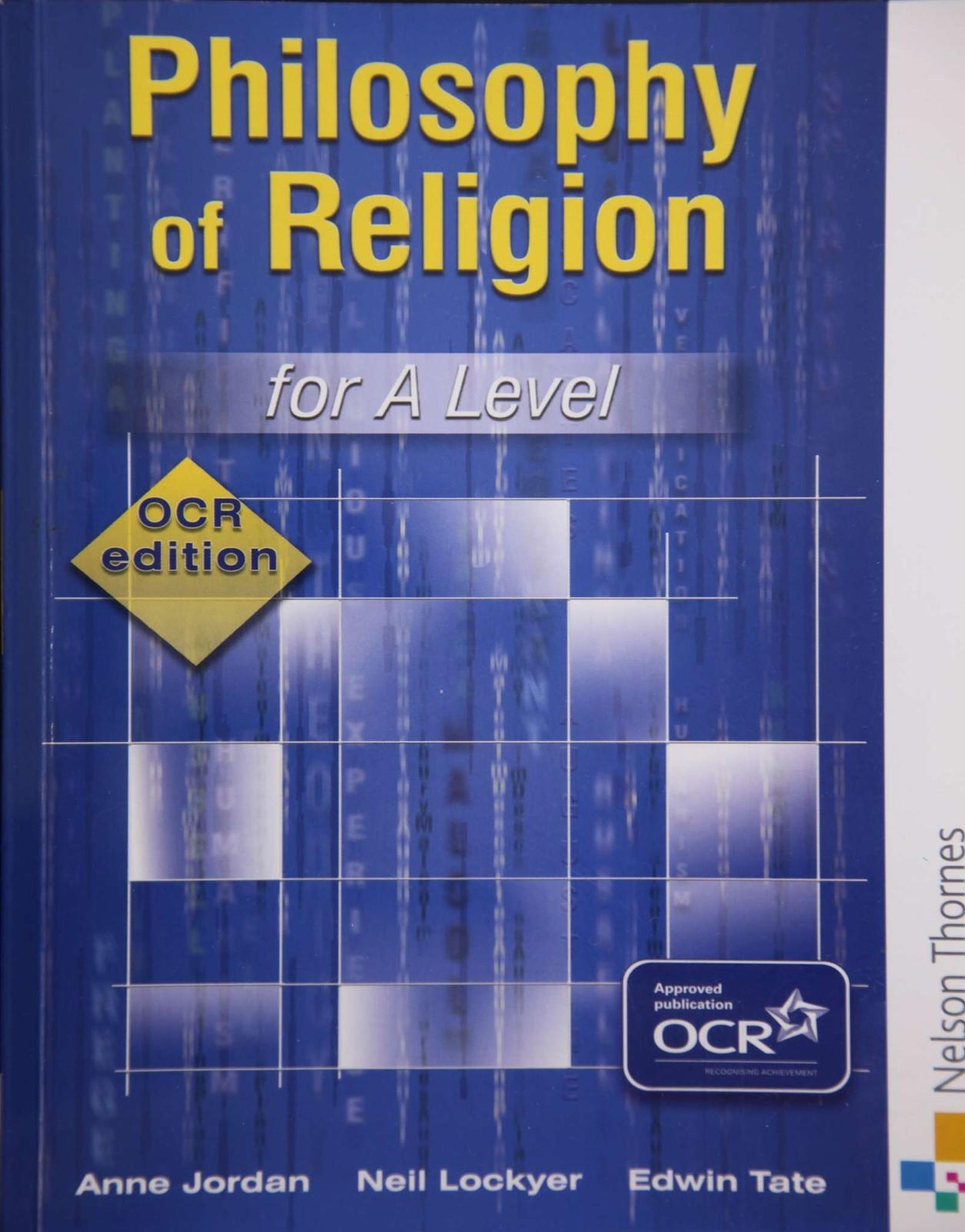
SCQF framework - what level are you working at?