Higher Religious Moral and Philosophical Studies
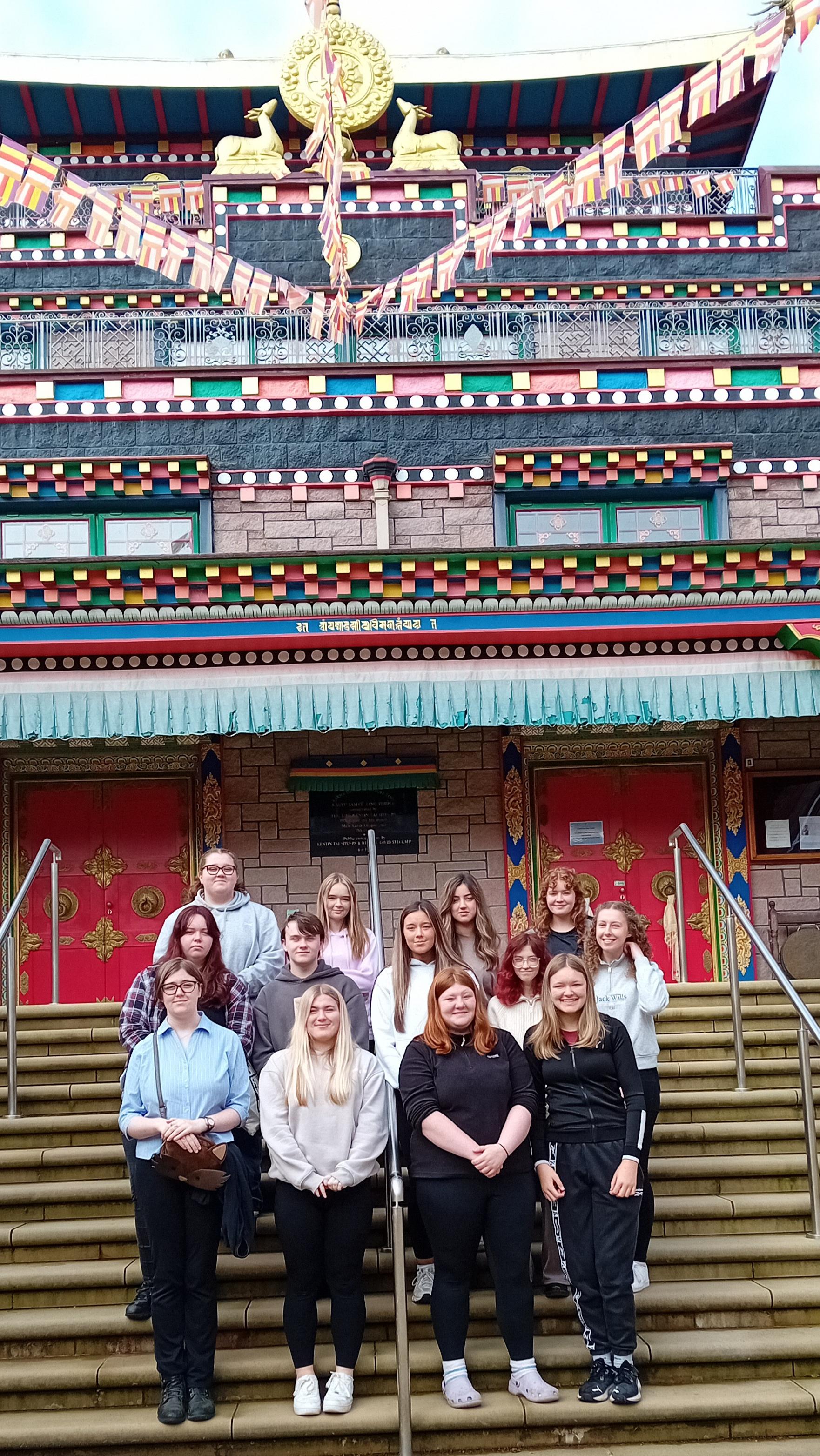
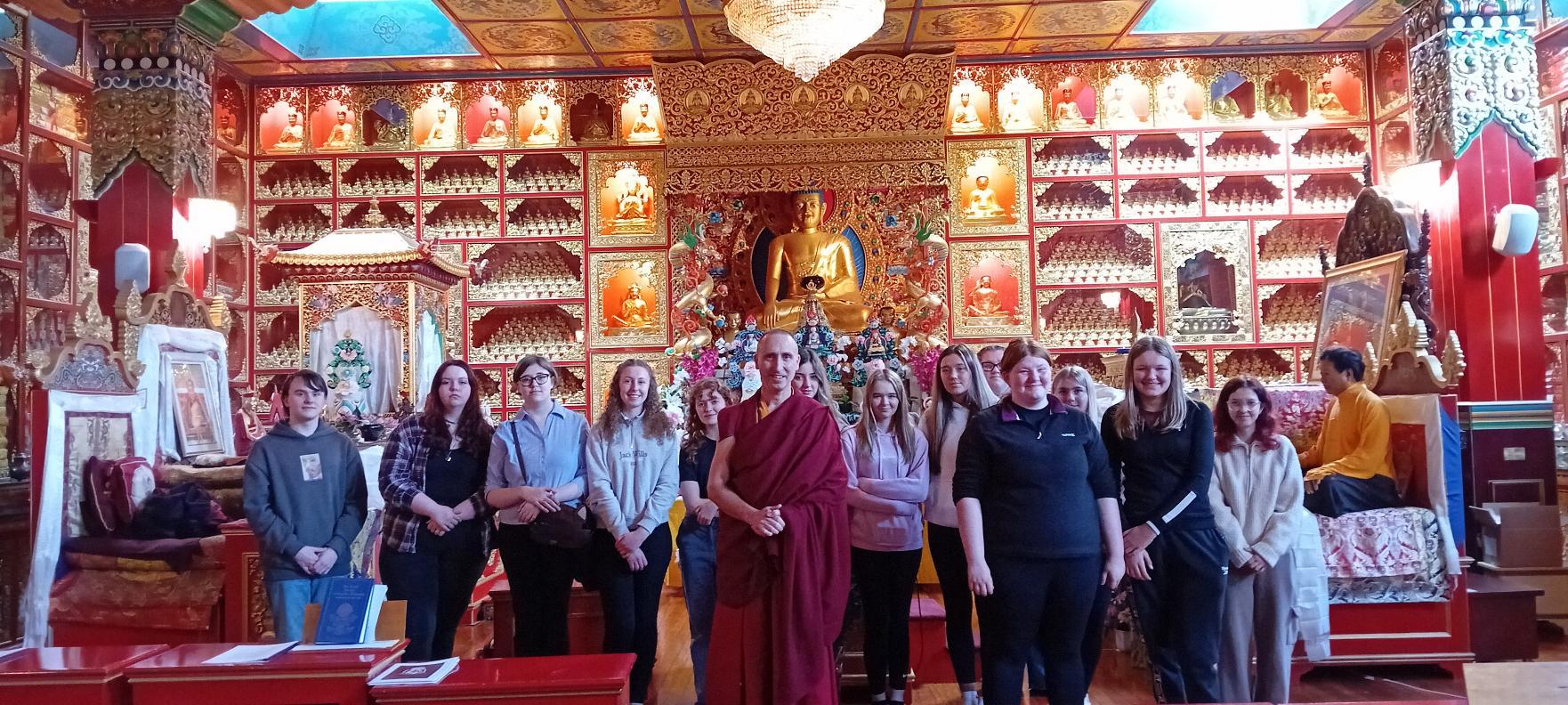
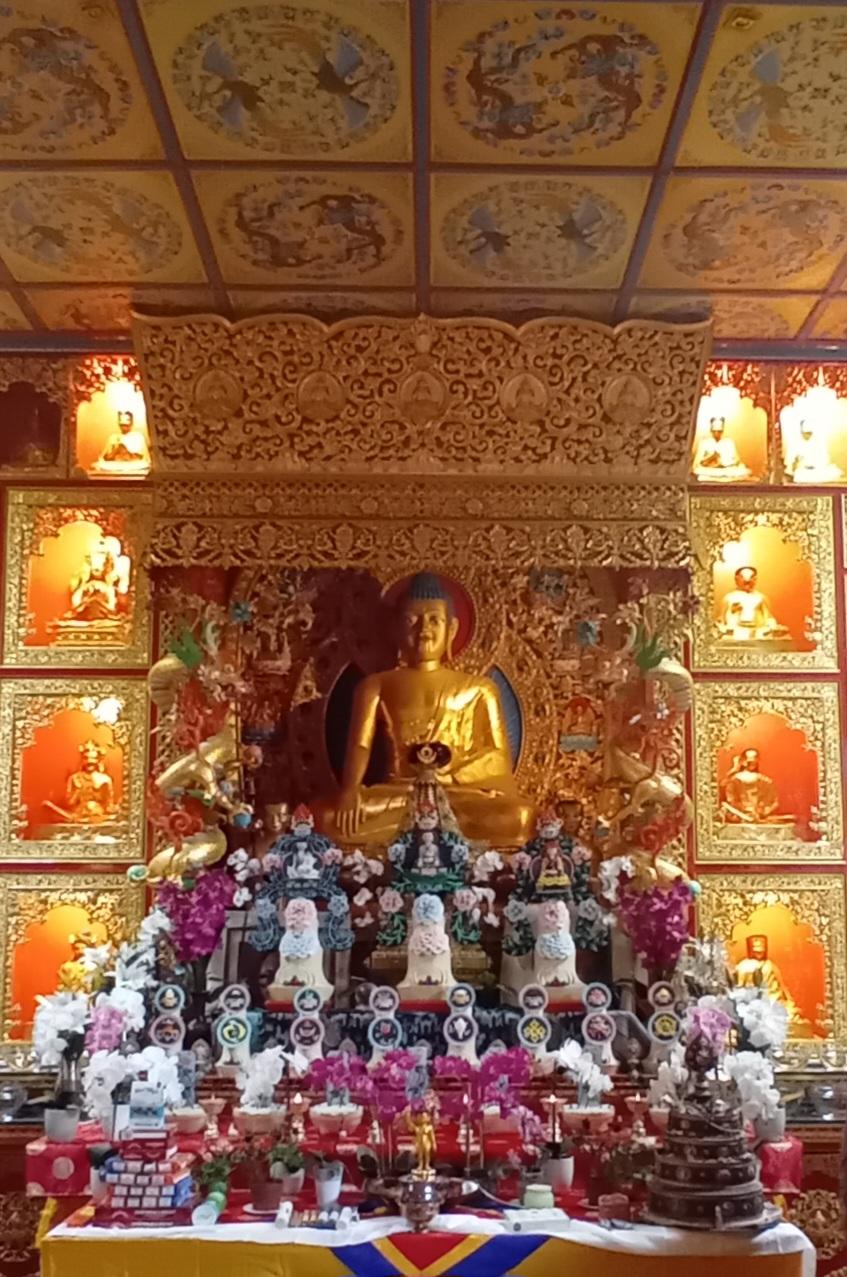
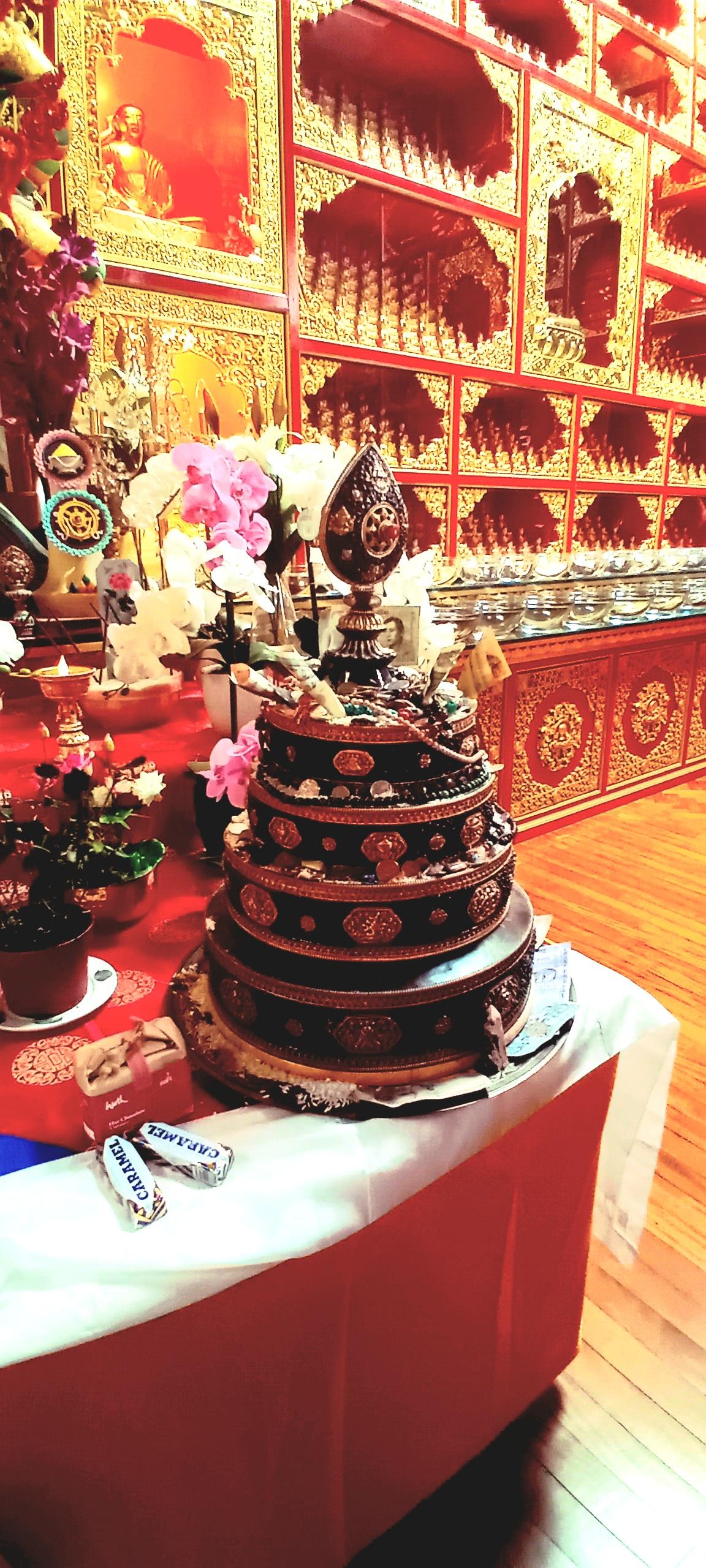
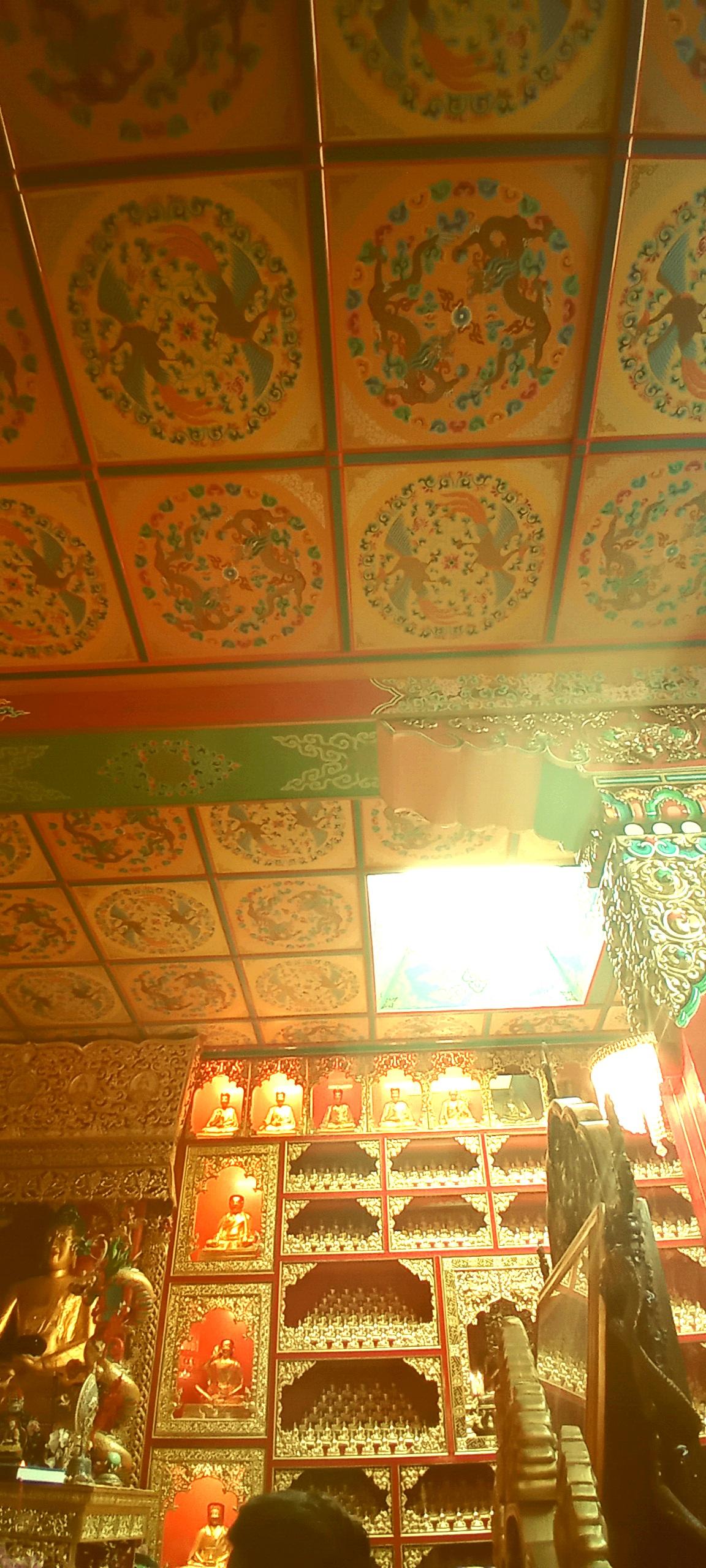
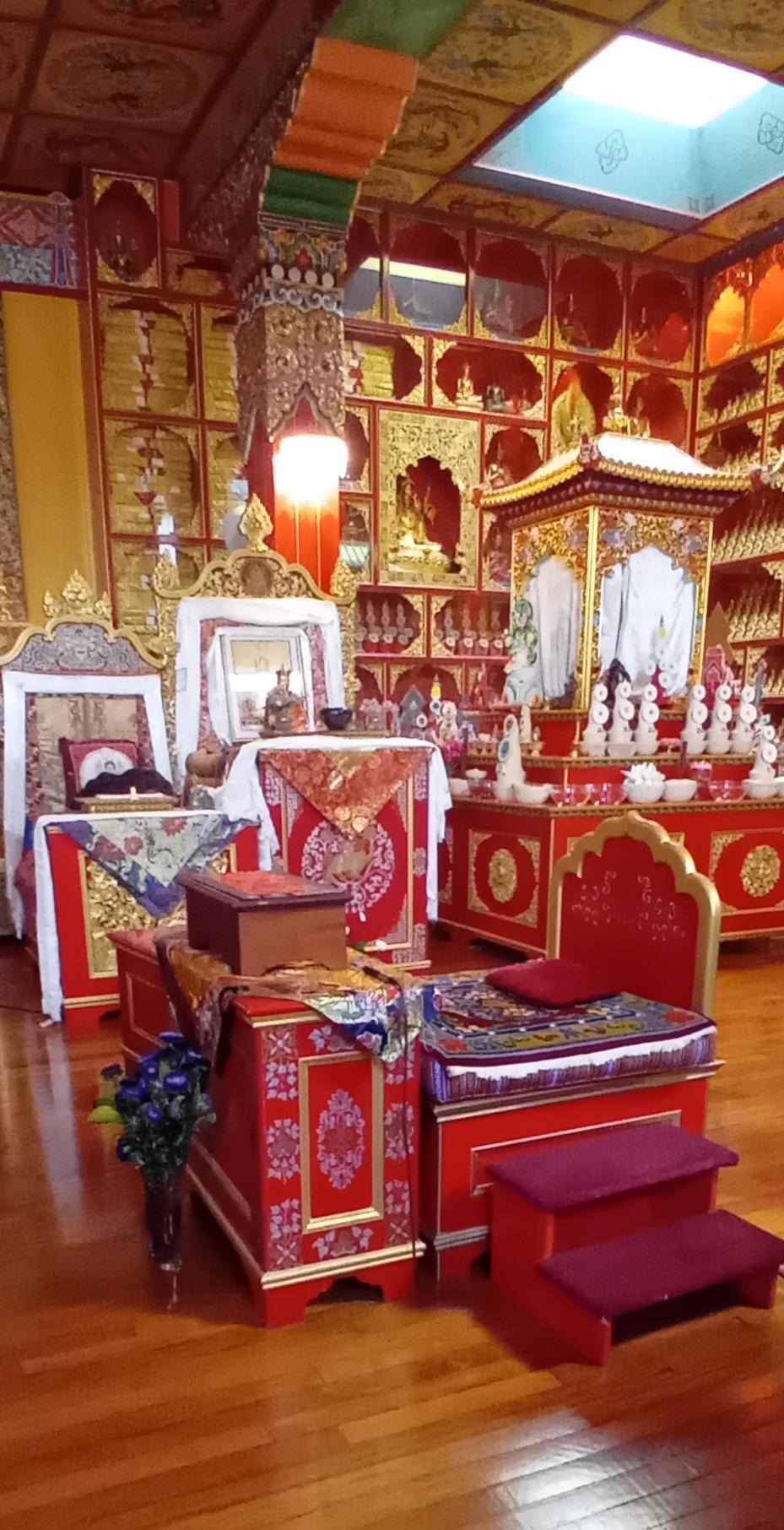
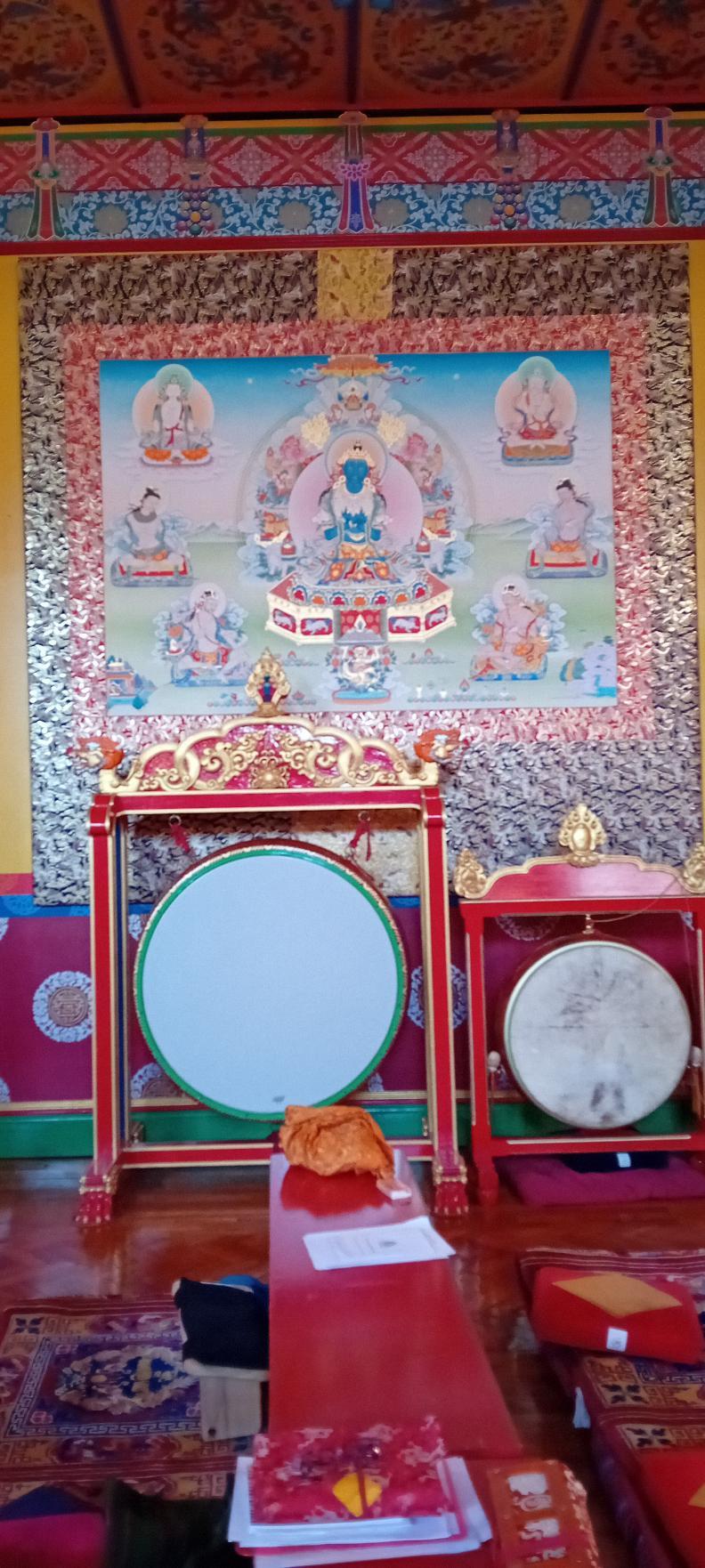
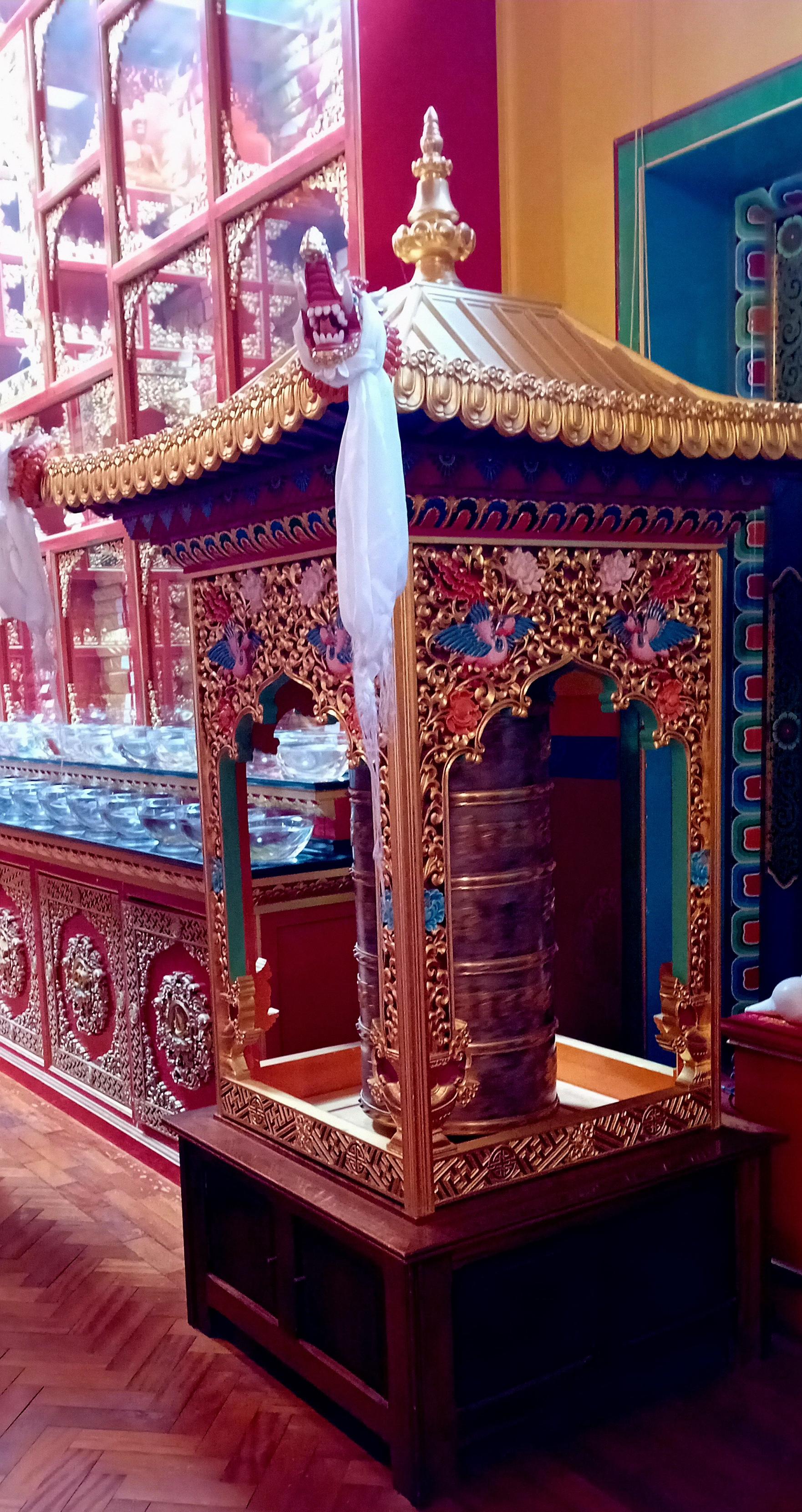
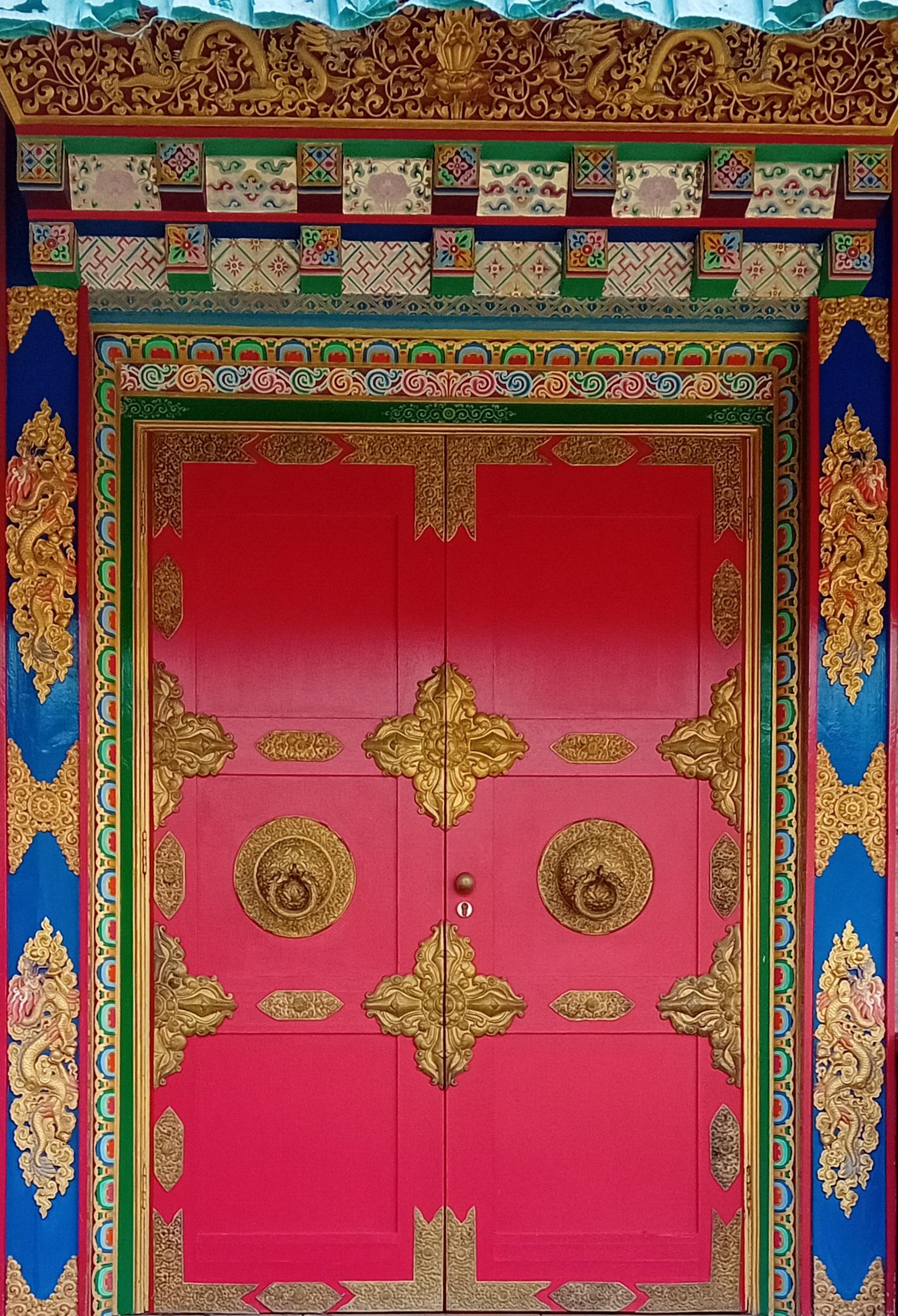
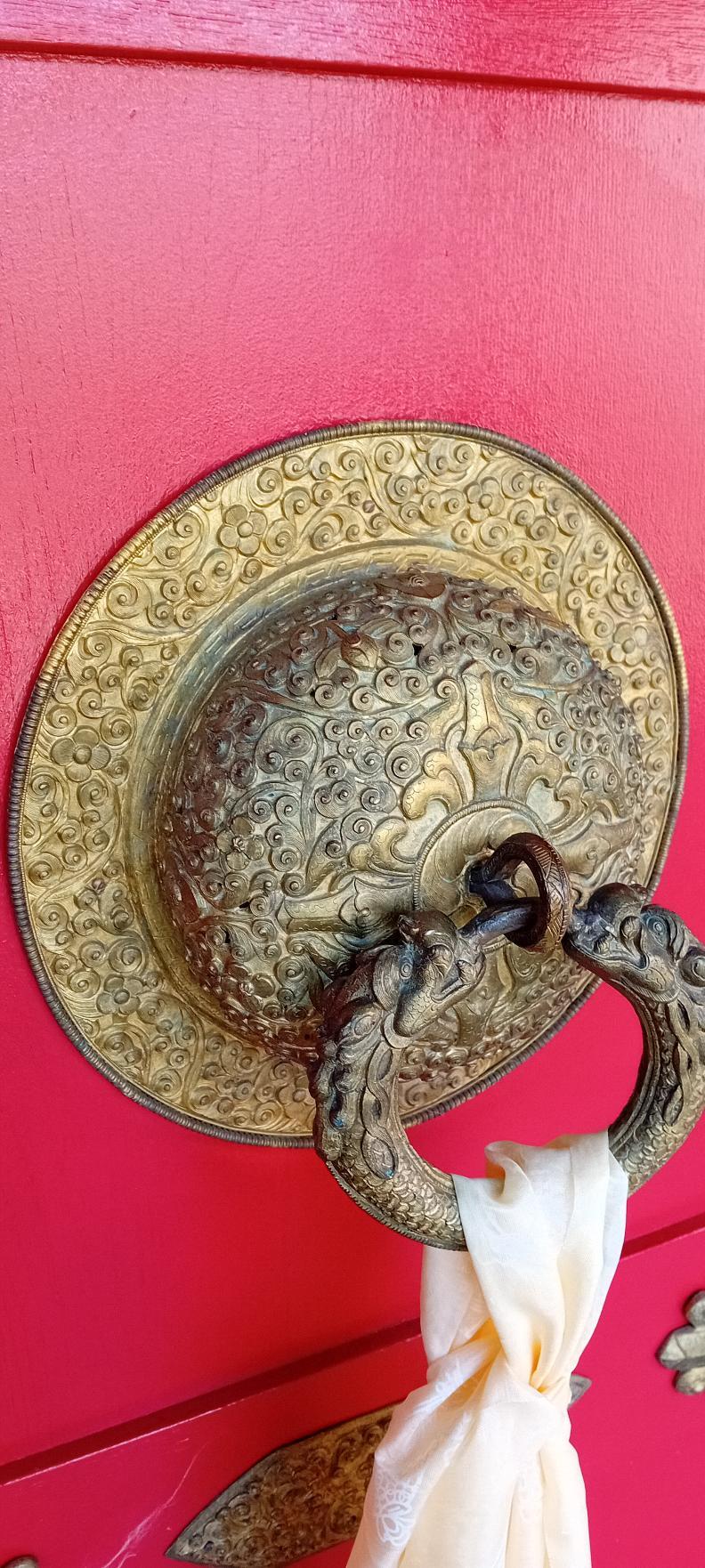
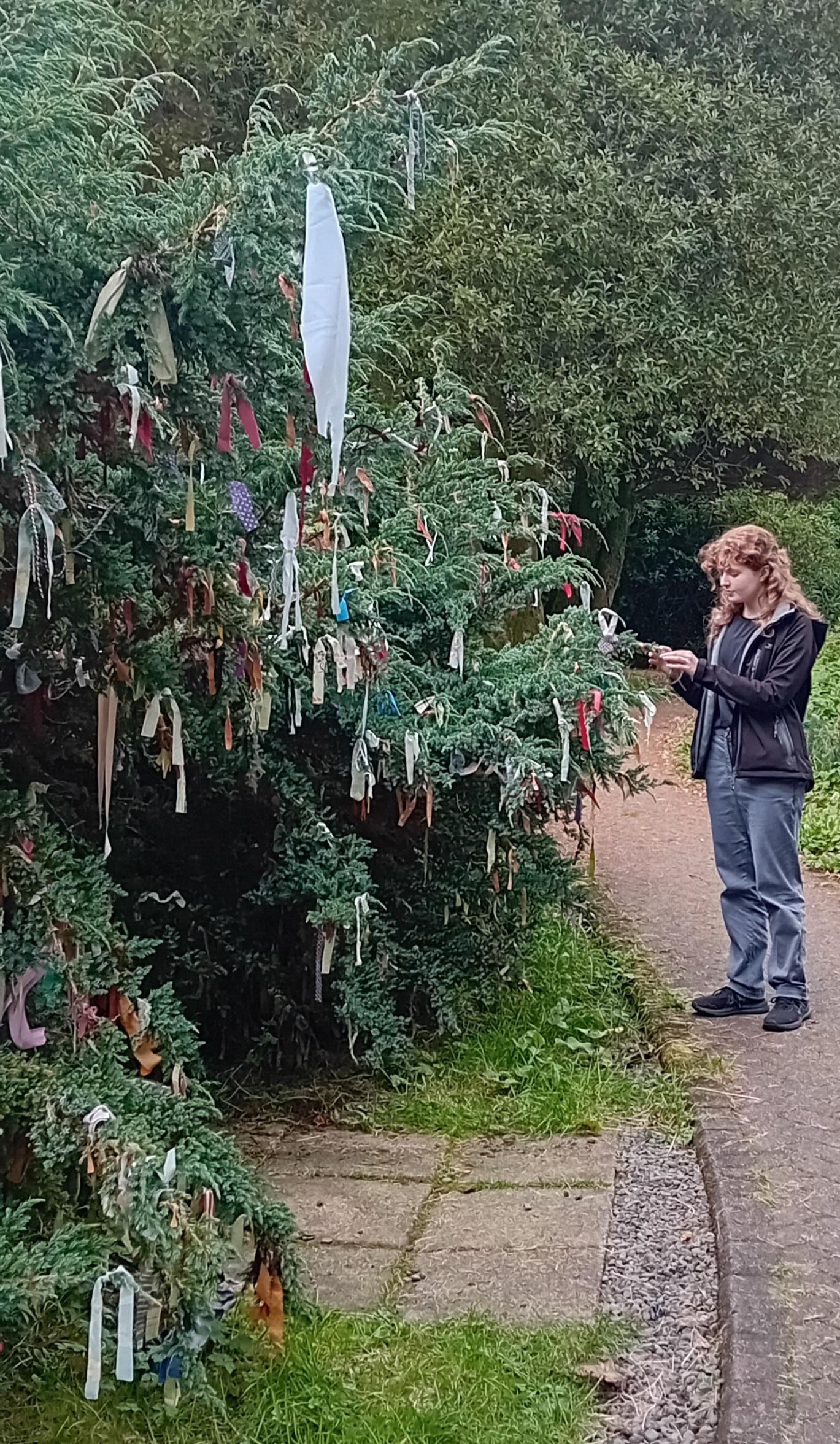
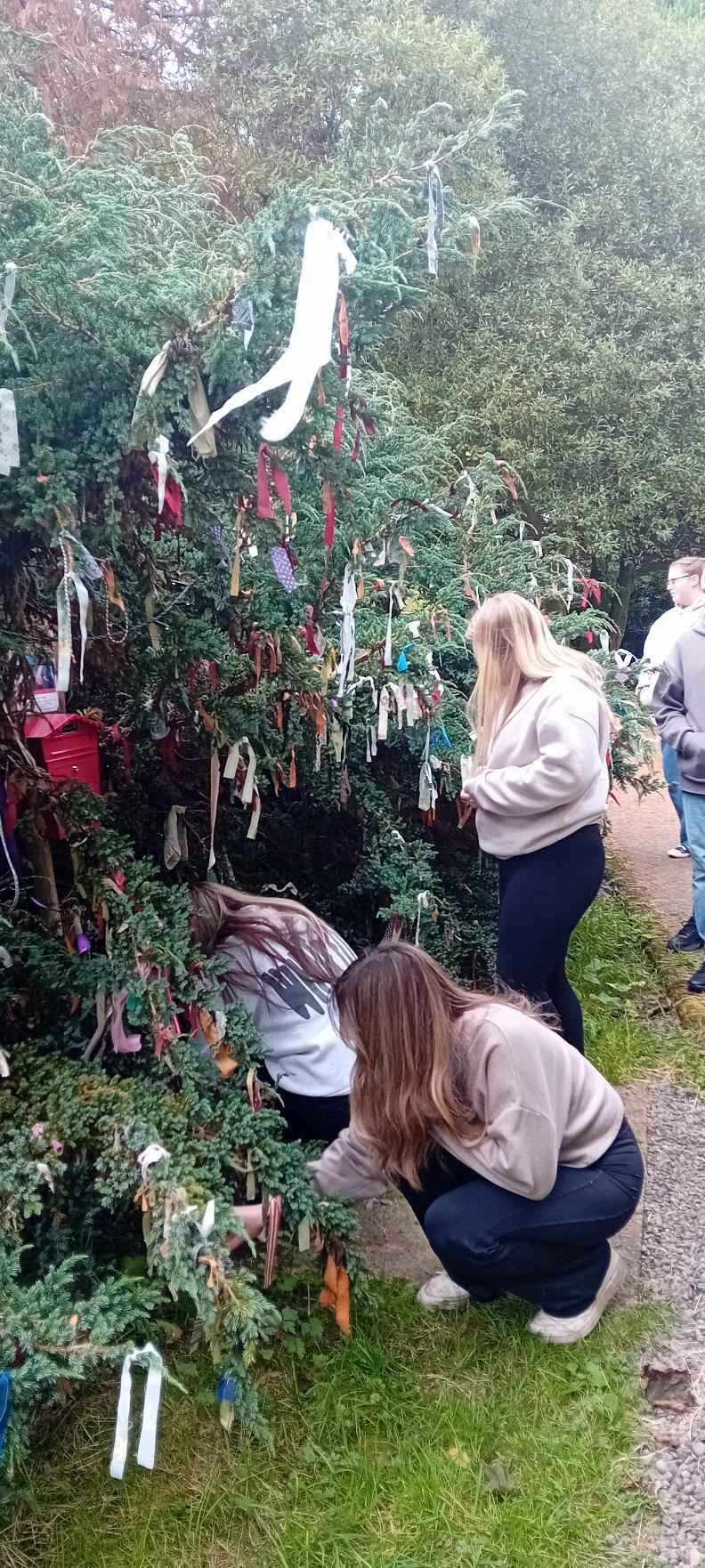
Buddhism - Enrichment of learning at Kagyu Samye Ling Tibetan Monastery
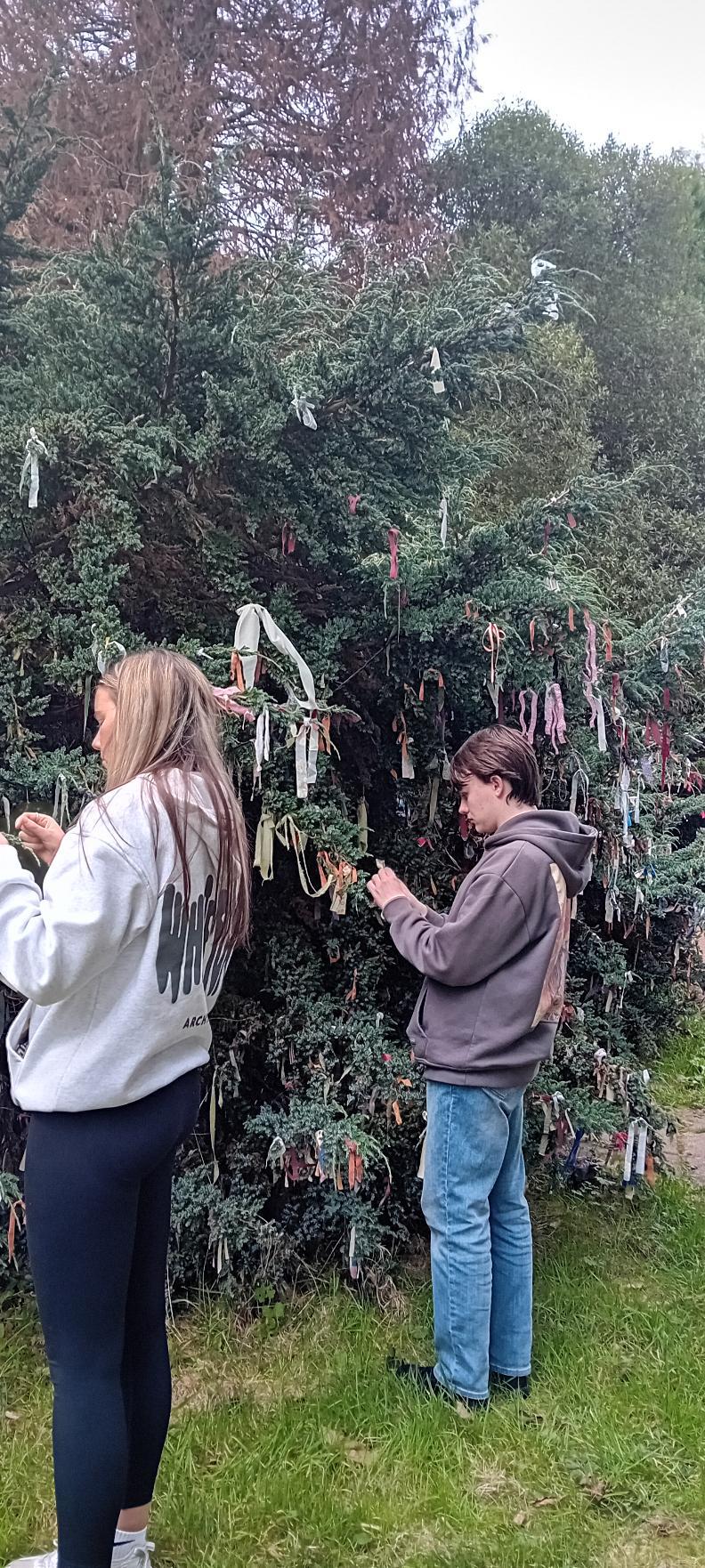
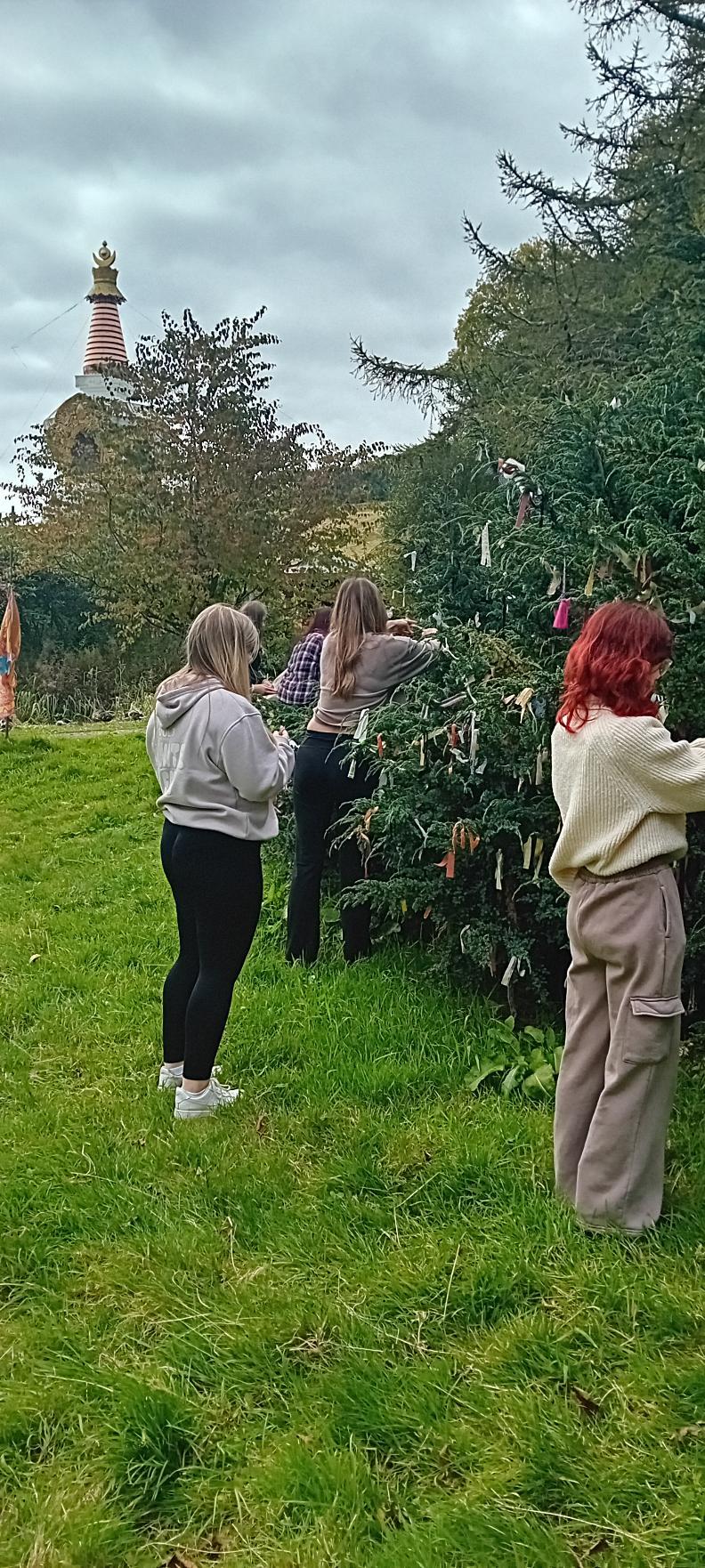
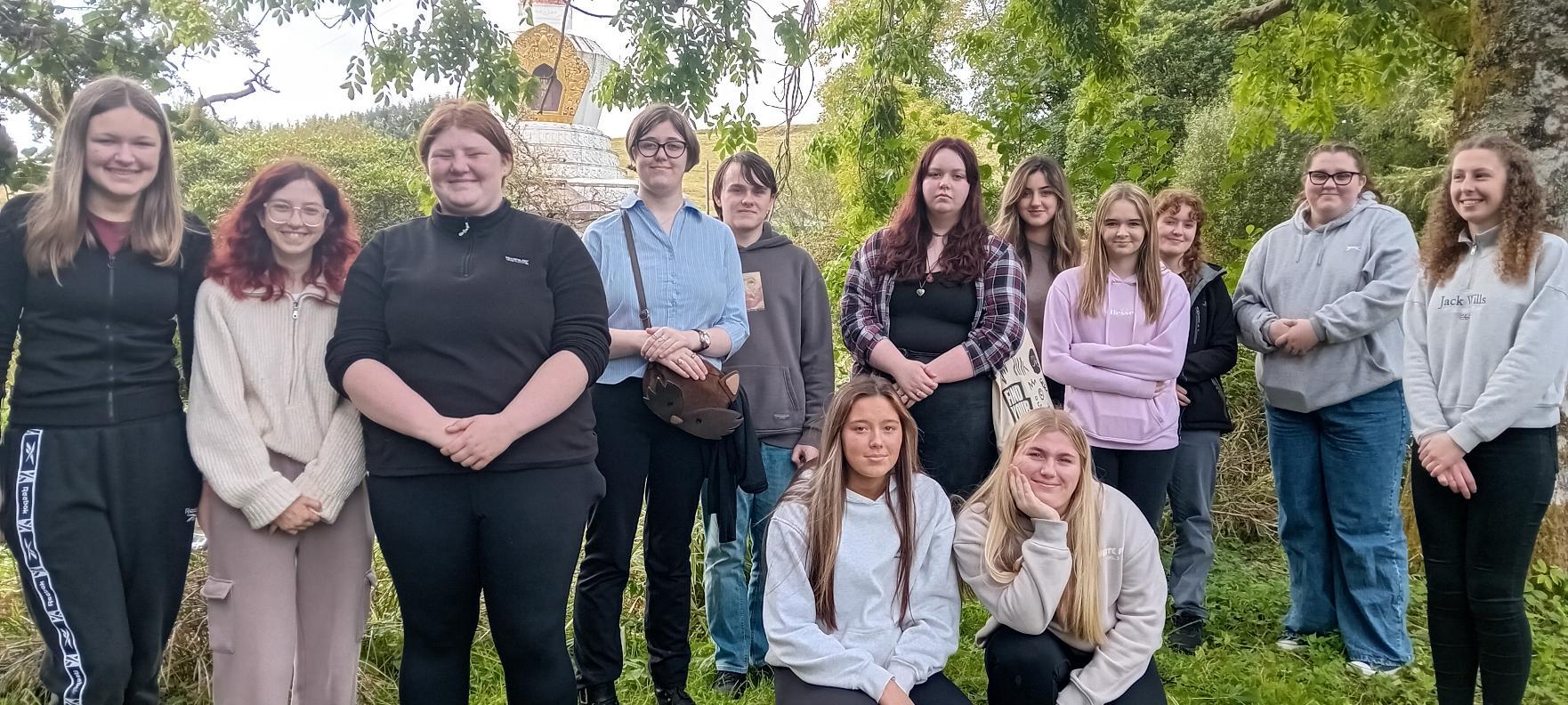
N5 & H pupils visited Kagyu Samye Ling Tibetan Monastery in Eskdalemuir. We had a guided tour, gained lots of knowledge about the origins and history of the monastery, the life of the Buddha, the Dhama, Samsara, Nibbana, the concept of Bodhichitta - cultivating compassion and kindness for all and how puja (worship) takes place. We had such a warm welcome and really developed our understanding of our classroom learning.
This session - 2024-2025 -RMPS returns to a bi-level class where N5 & Higher will work together to achieve their respective qualifications. This means a greater diversity in opinions, challenge and collaboration.
How can you support your young person in their RMPS career? Encourage timely completion of homework, discuss current moral issues, ask them to explain their learning to you.
SQA Higher RMPS
This course helps candidates to understand society. They learn about, and from, religious beliefs, non-religious viewpoints, and personal experience. By exploring how religion, morality and philosophy can help people find meaning and purpose in life, candidates develop their understanding of human beliefs, values and behaviour.
Candidates develop skills which are transferable to other areas of study and useful in everyday life, such as analysis, evaluation, research skills and critical-thinking skills. In addition, candidates develop:
- the ability to analyse,
- reflect on and express detailed, reasoned and well-structured views about religious, moral and philosophical questions and their impact
- the ability to investigate, analyse and evaluate religious, moral and philosophical questions and responses
- demonstrate in-depth knowledge and understanding of beliefs and practices related to world religions
- demonstrate in-depth knowledge and understanding of religious, moral and philosophical questions and responses to them
Assessment is comprised of three components; two exam papers worth a total of 80 marks out of 110 and an assignment worth the remaining 30 marks out of 110.

|
HigherCourseSpecRMPS 2019 | [pdf 464KB] |

|

Morality and relationships
In this morality and belief unit candidates are supported to:
- show in-depth knowledge and understanding of moral issues
- analyse religious and non-religious responses to moral issues
- evaluate religious and non-religious responses to moral issues
Candidates studying the morality and relationships unit will cover the following content:
- Sexual relationships
- The purpose of sex
- Arranged marriage
- Forced marriage
- Same-sex marriage
- Divorce
- Gender inequality and exploitation in the media, in society and in religion
Candidates will explore these issues from perspectives such as:
- The spectrum of Christian beliefs
- Utilitarianism
- Humanism
Buddhism
In this world religion unit candidates are supported to:
- show in-depth knowledge and understanding of religious beliefs and practices
- analyse the relationship between different religious beliefs; the relationship between religious beliefs and practices; and the purpose of living according to religious beliefs and practices
- evaluate the significance, relevance and impact of religious beliefs and practices
Candidates studying the Buddhism unit will cover the following content:
Beliefs
- Three Marks of Existence: anicca; anatta; dukkha
- nature of human beings: tanha; Three Root Poisons; kamma
- beliefs about the Buddha
- samsara; nibbana
Practices
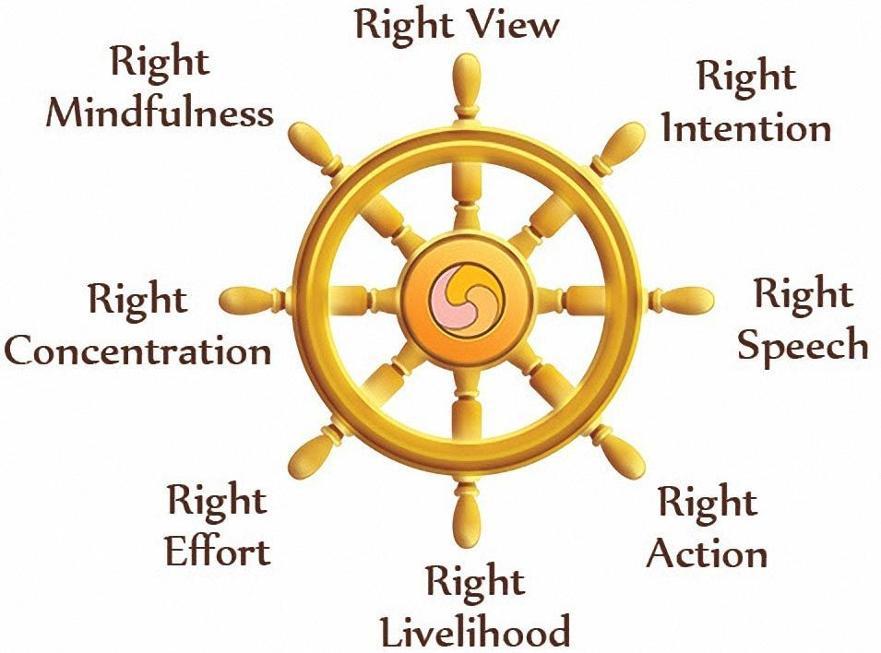
- living according to the Eightfold Path
- Five Precepts; sangha
- meditation; devotion
Miracles
In this religious and philosophical questions unit candidates are supported to:
- show in-depth knowledge and understanding of the question and responses, including religious and non-religious responses
- apply the skills of analysis and evaluation to the question and responses
- present a reasoned conclusion to the question
Candidates studying the miracles unit will cover the following content:
- Are miracles real?
- How do religious people explain miracles?
- What evidence do religious people use to support these explanations?
- What are the strengths and weaknesses of evidence/explanations?
- How do non-religious people explain miracles?
- What evidence do non-religious people use to support these explanations?
- What are the strengths and weaknesses of evidence/explanations?
- Can religious and non-religious views on miracles be compatible?
Resources to support study

|
Morality and relationships Booklet.1 (1) | [docx 7MB] |
|
|
|
RMPS MIRACLES BOOK 2022-23 | [pdf 5MB] |
|
|
|
M&R BOOK 2022-23 | [pdf 4MB] |
|
|
|
N5 & H Buddhism booklet 2022-23 | [pdf 3MB] |
|
|
|
Research based study guide | [pdf 514KB] |
|
|
|
Higher essay skills booklet 2021 | [docx 136KB] |
|
|
|
Relationships Christian views grid | [docx 16KB] |
|
|
|
Buddhism knowledge organiser | [docx 40KB] |
|

|
Buddhism revision classroom | [pptx 12MB] |
|


The Assignment
The Higher RMPS Assignment is worth 30 marks out of a total of 110 marks for the course assessment therefore worth roughly one third of the overall SQA grade.
The assignment allows candidates to identify an issue of religious, moral or philosophical significance on which there are a range of viewpoints. They choose a question based on this issue, research the issue and gather sources relevant to their question. Candidates then draw upon the skills of knowledge and understanding, analysis and evaluation to produce an extended piece of writing in response to their question.
Candidates work on their research with minimal support from their teacher or lecturer.
SCQF framework - what level are you working at?
