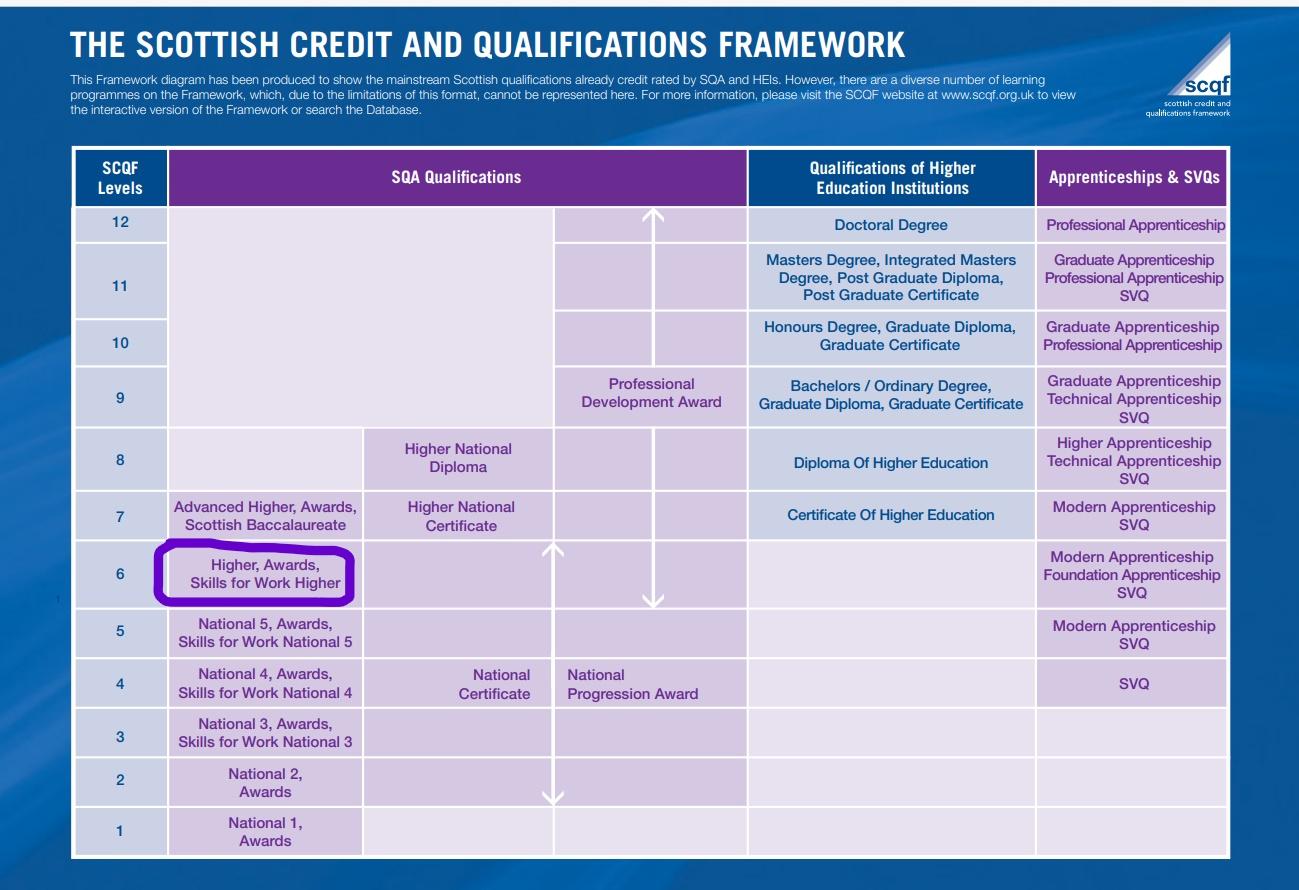
Higher Psychology
How can you support your young person in their study of Psychology? Encourage timely completion of homework, promote good organisational skills.
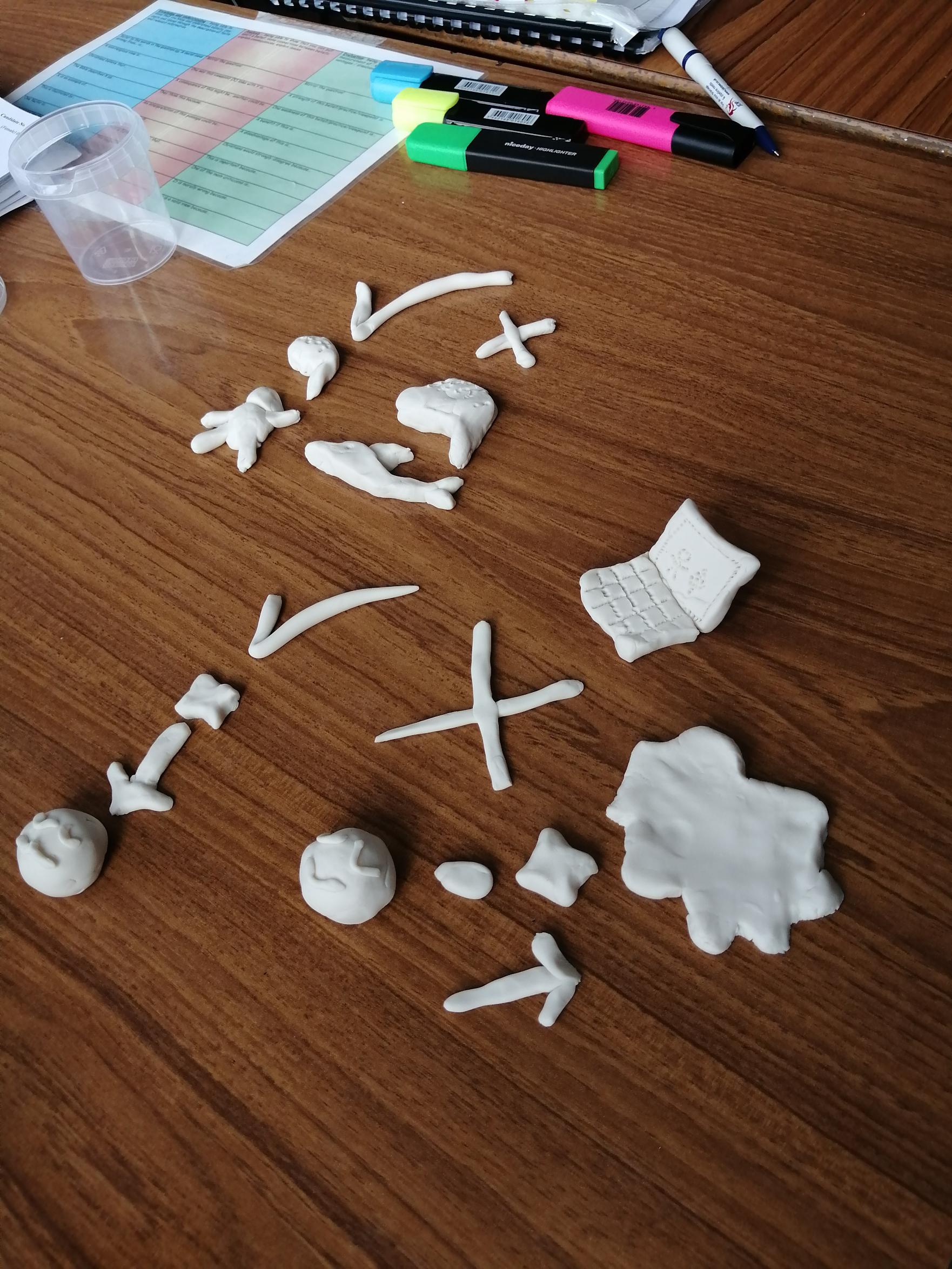
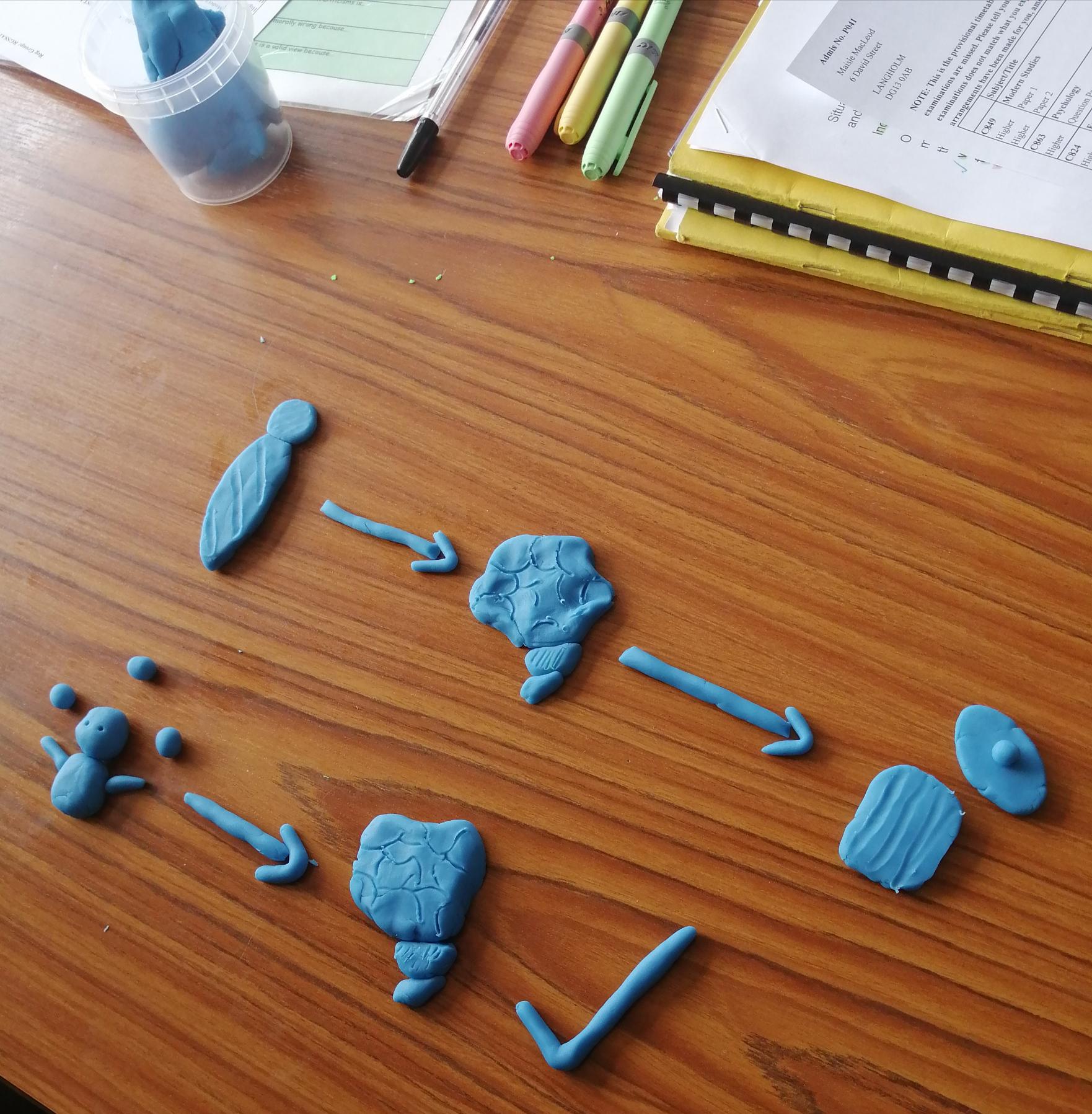
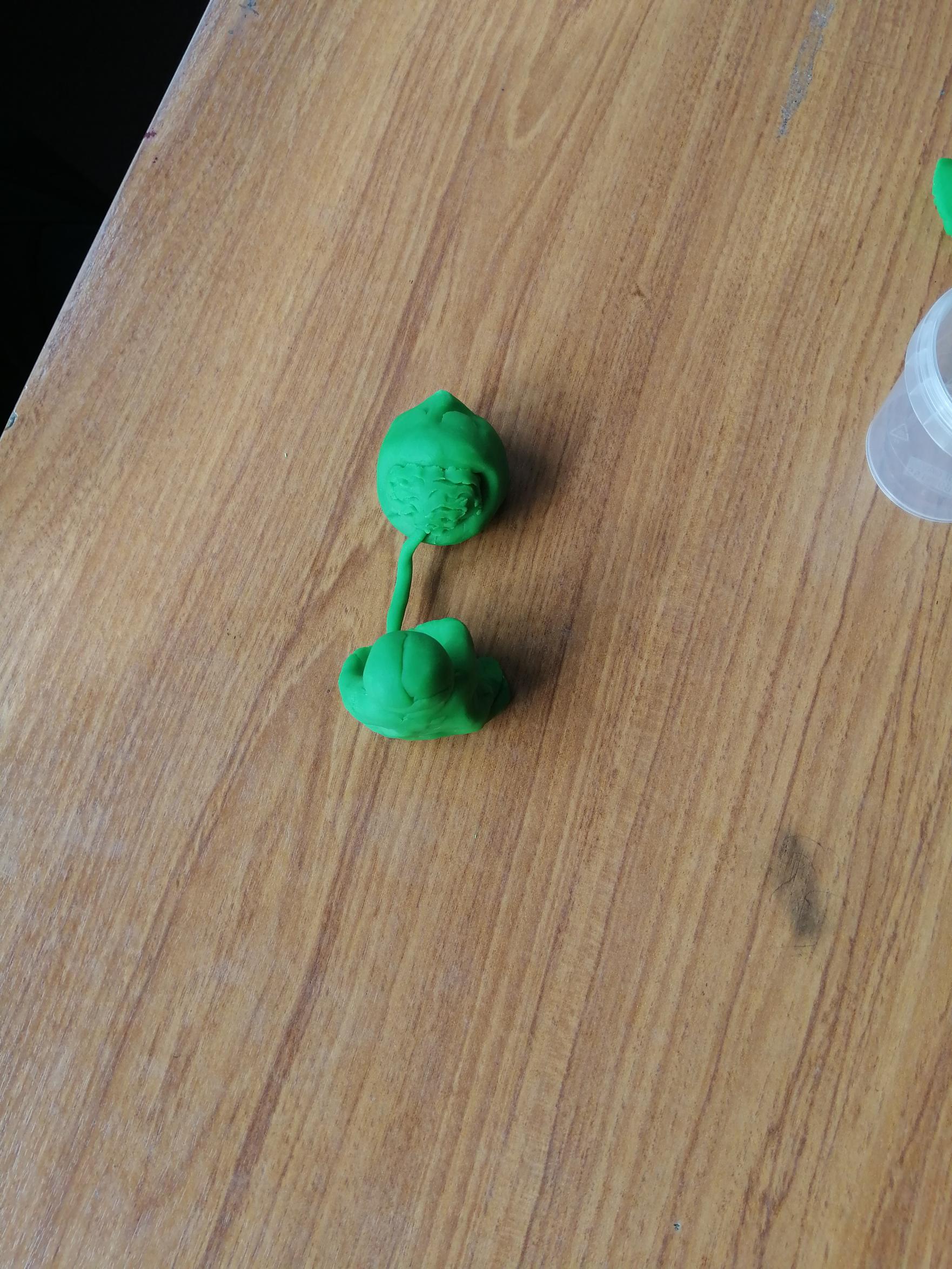
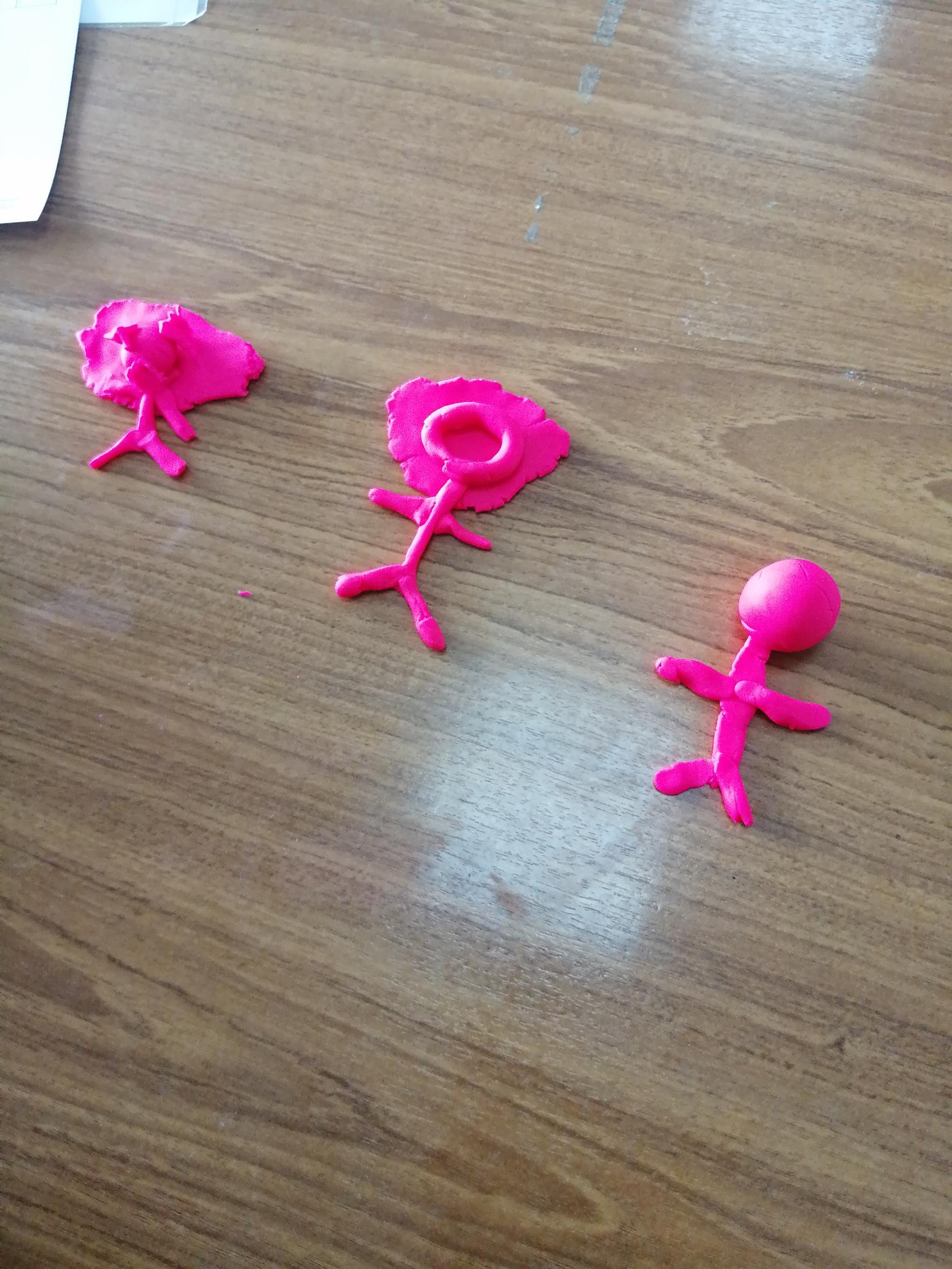
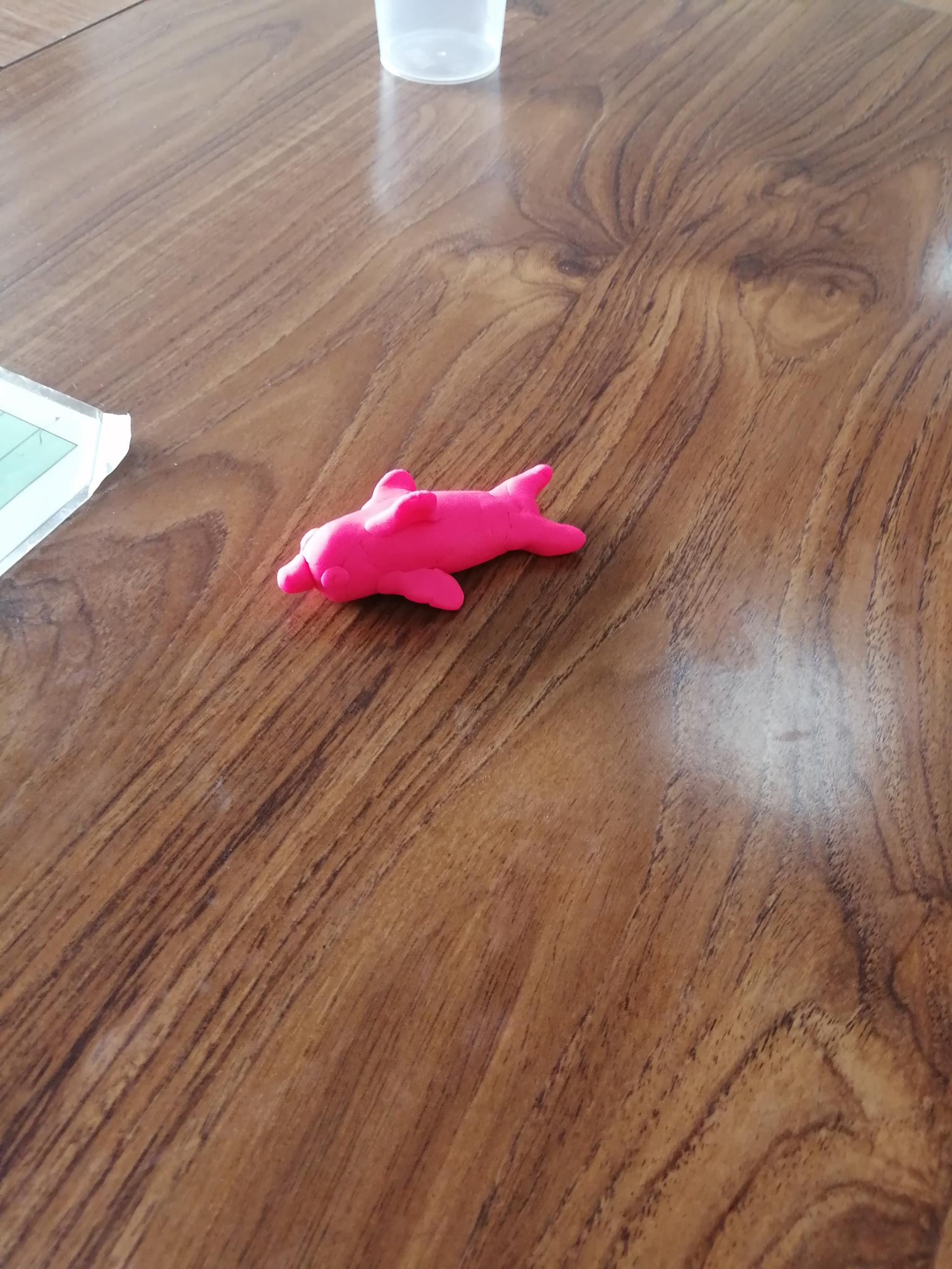
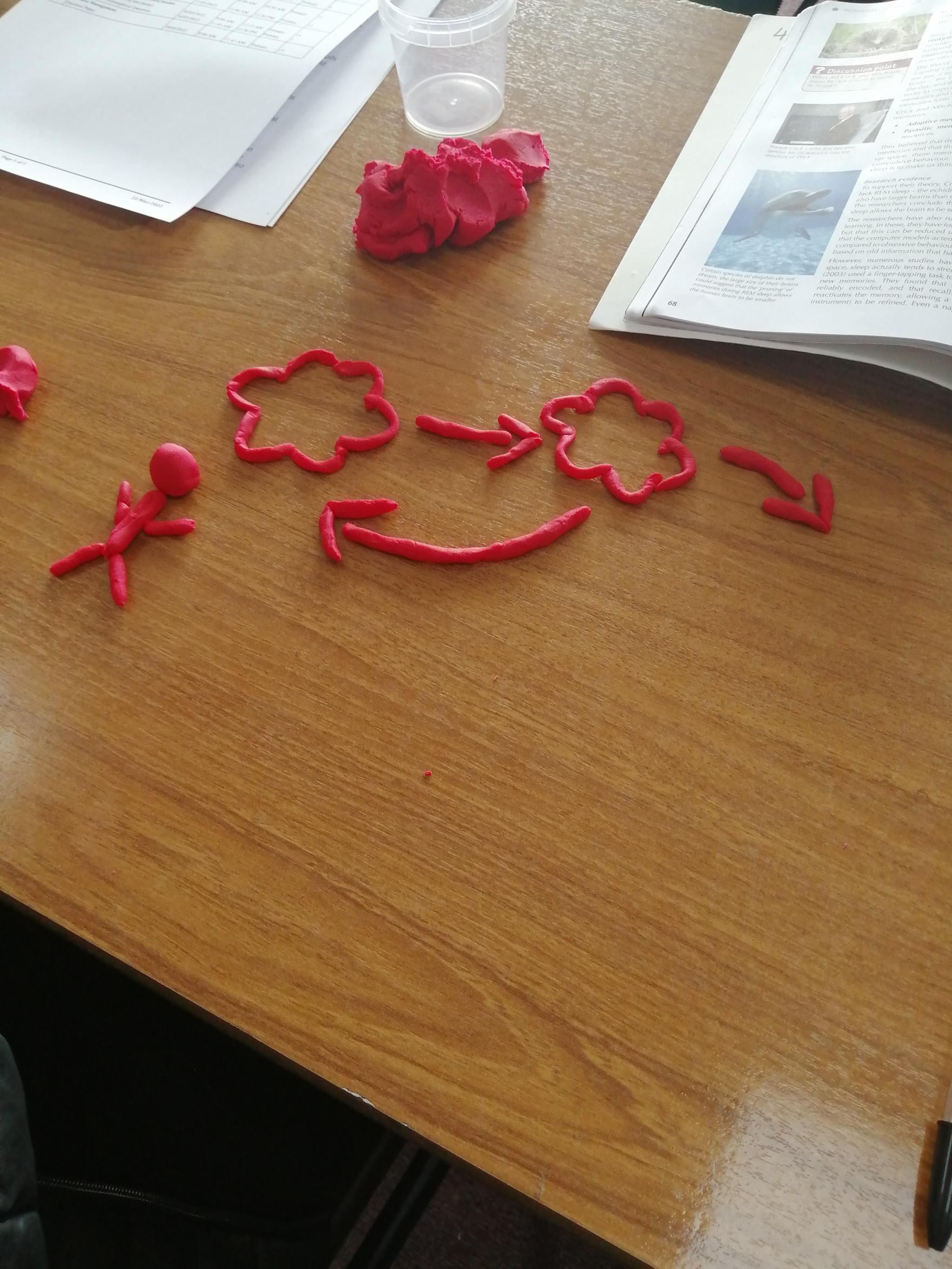
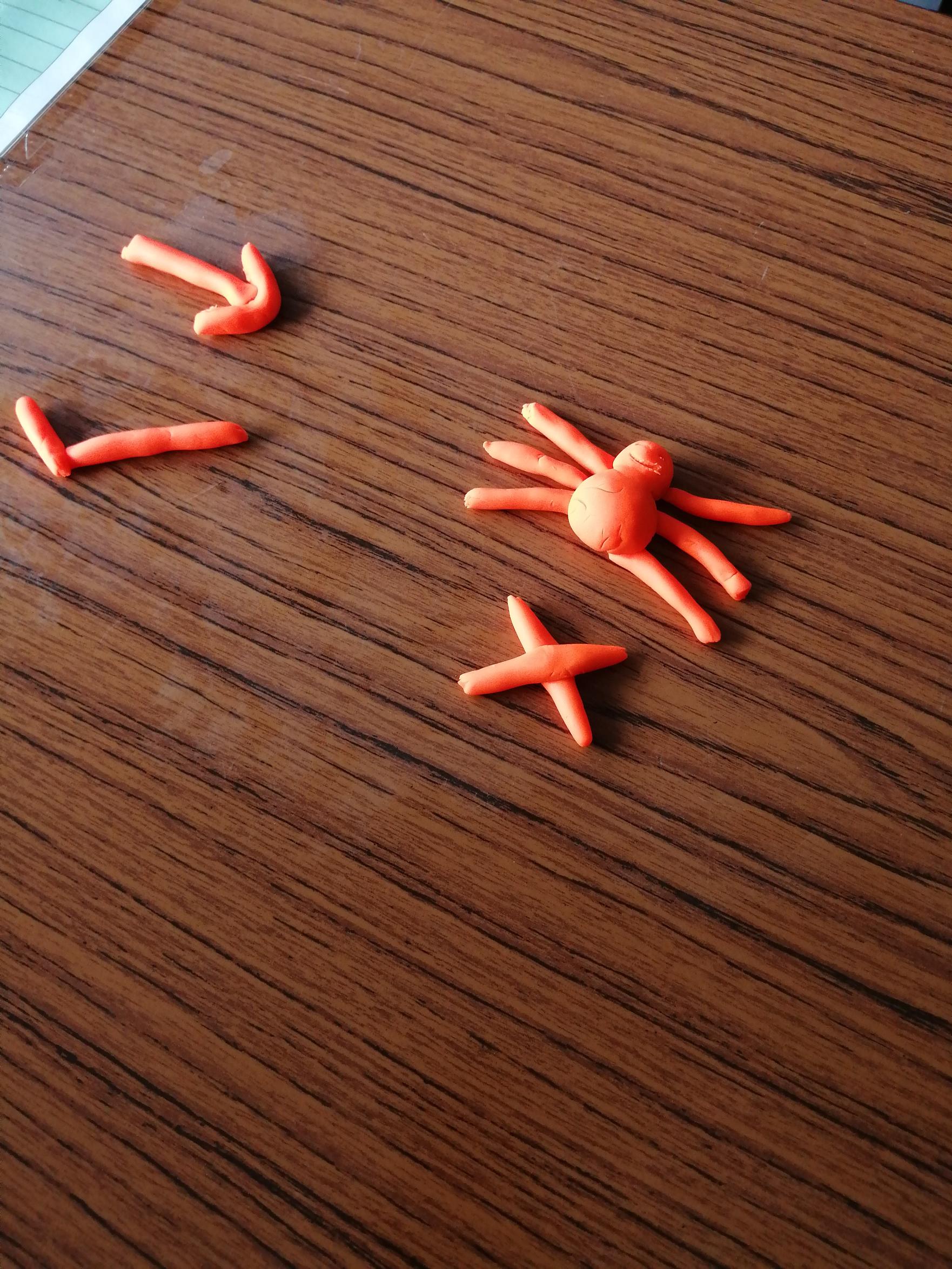
Crick and Mitchison's (1986) reorganisational theory
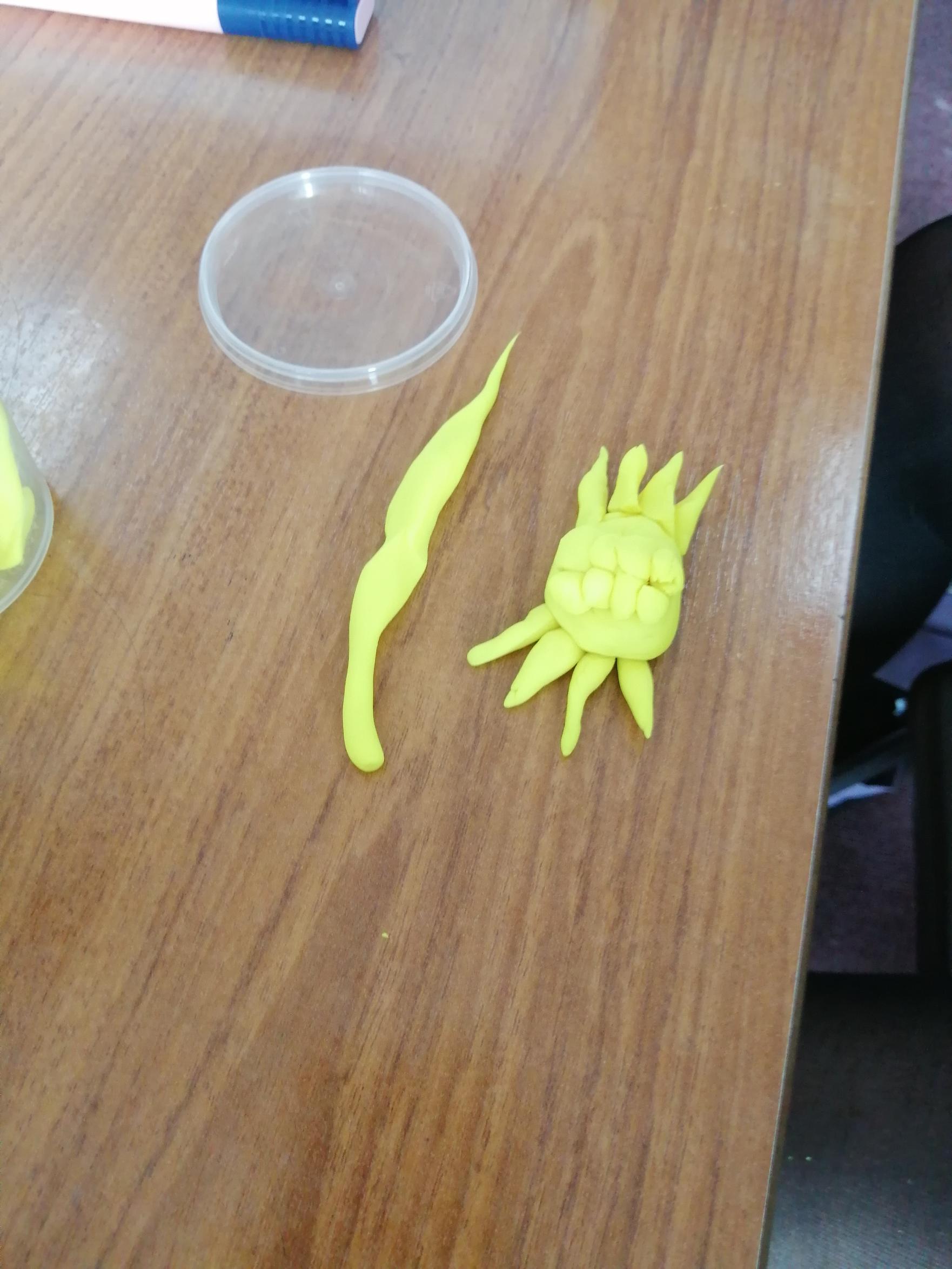
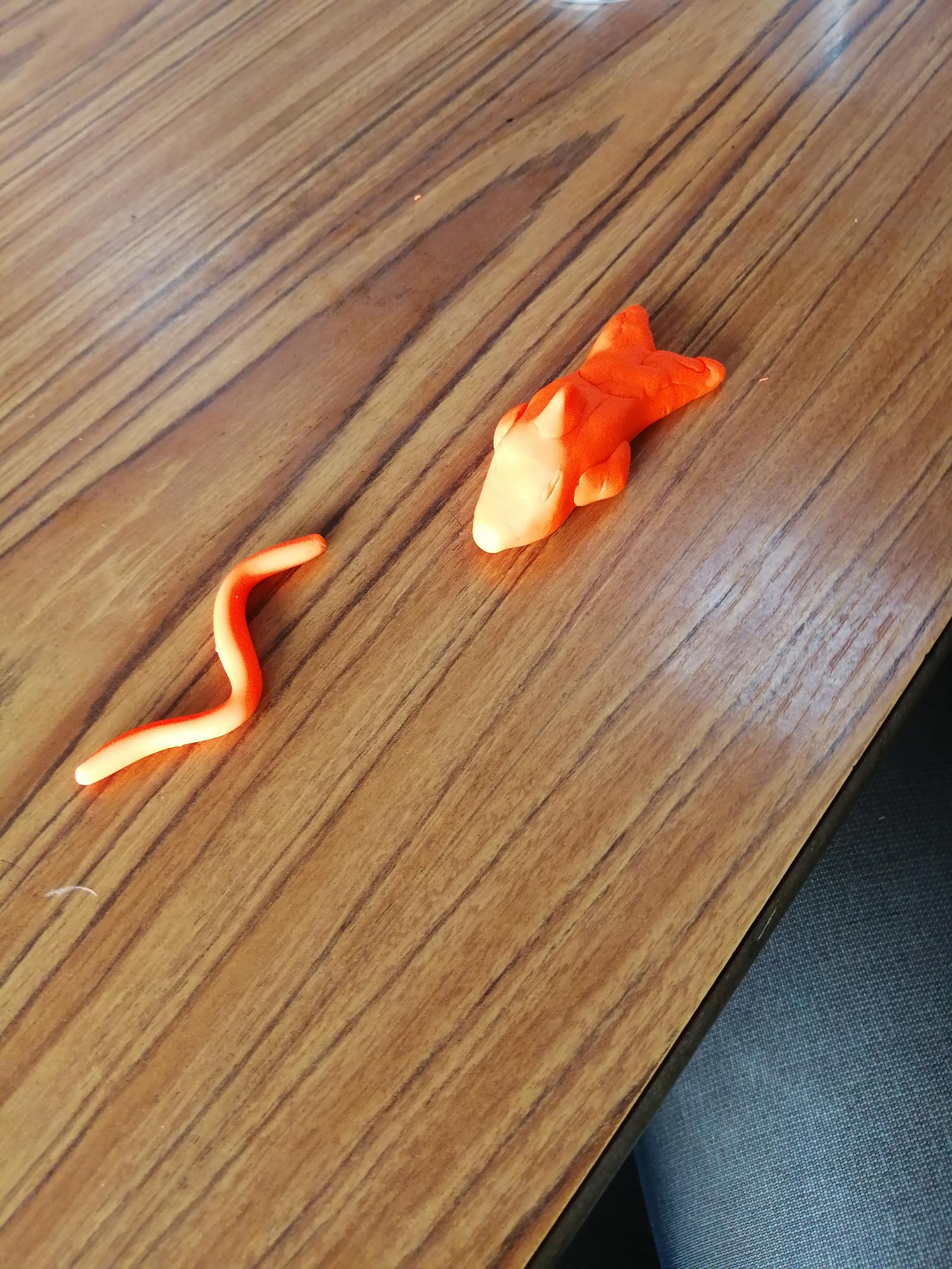
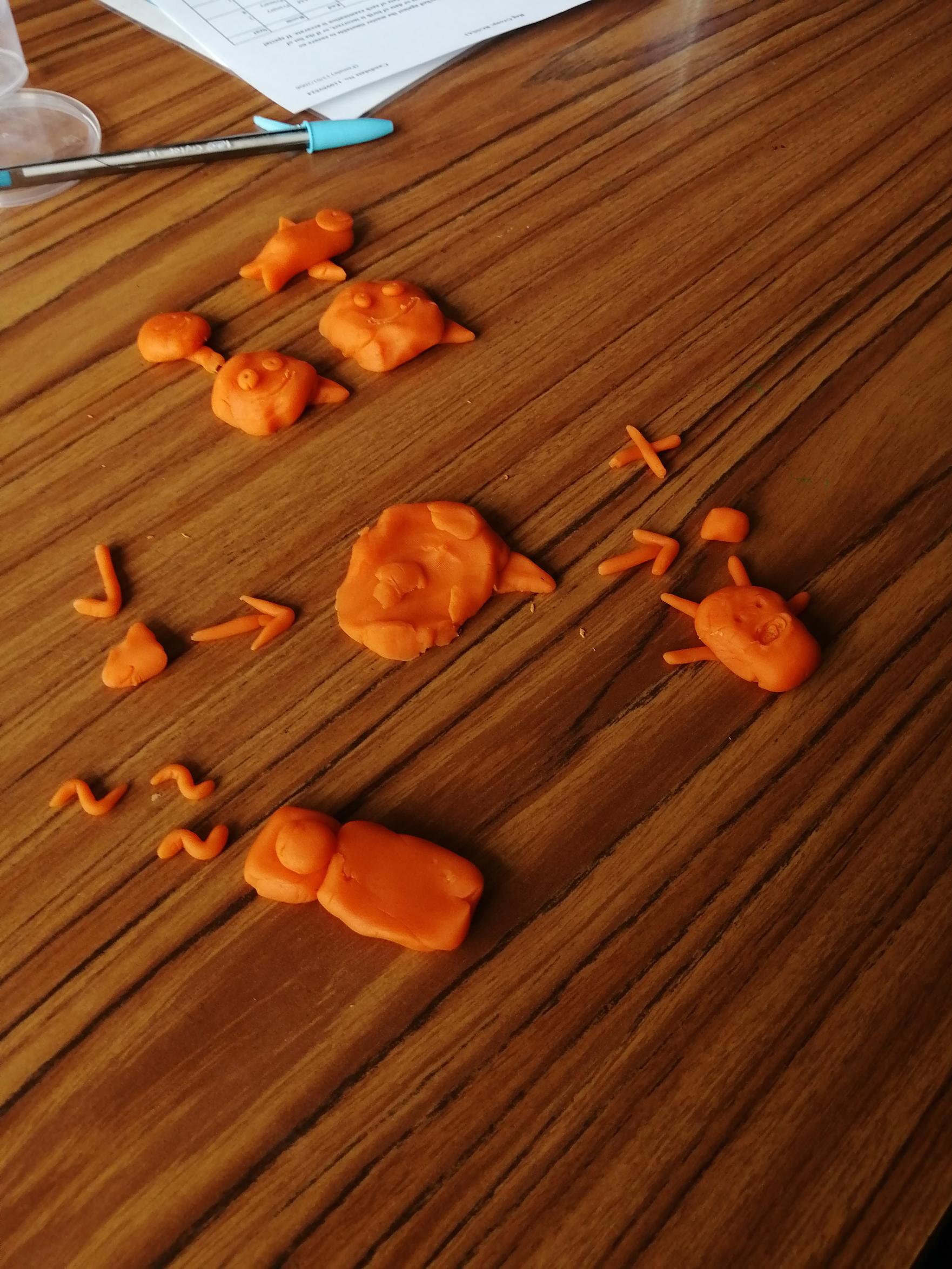
Pupils have been revising Crick and Mitchison's theory that the purpose of sleep and dreams is to process memories. Crick and Mitchison argued that the cortex can get overloaded and therefore parasitic memories (those that are harmful) are deleted and adaptive memories (those that are helpful) are retained. Dreaming is the process of deletion. They based this on the idea of reverse learning - learning can be undone in REM sleep.
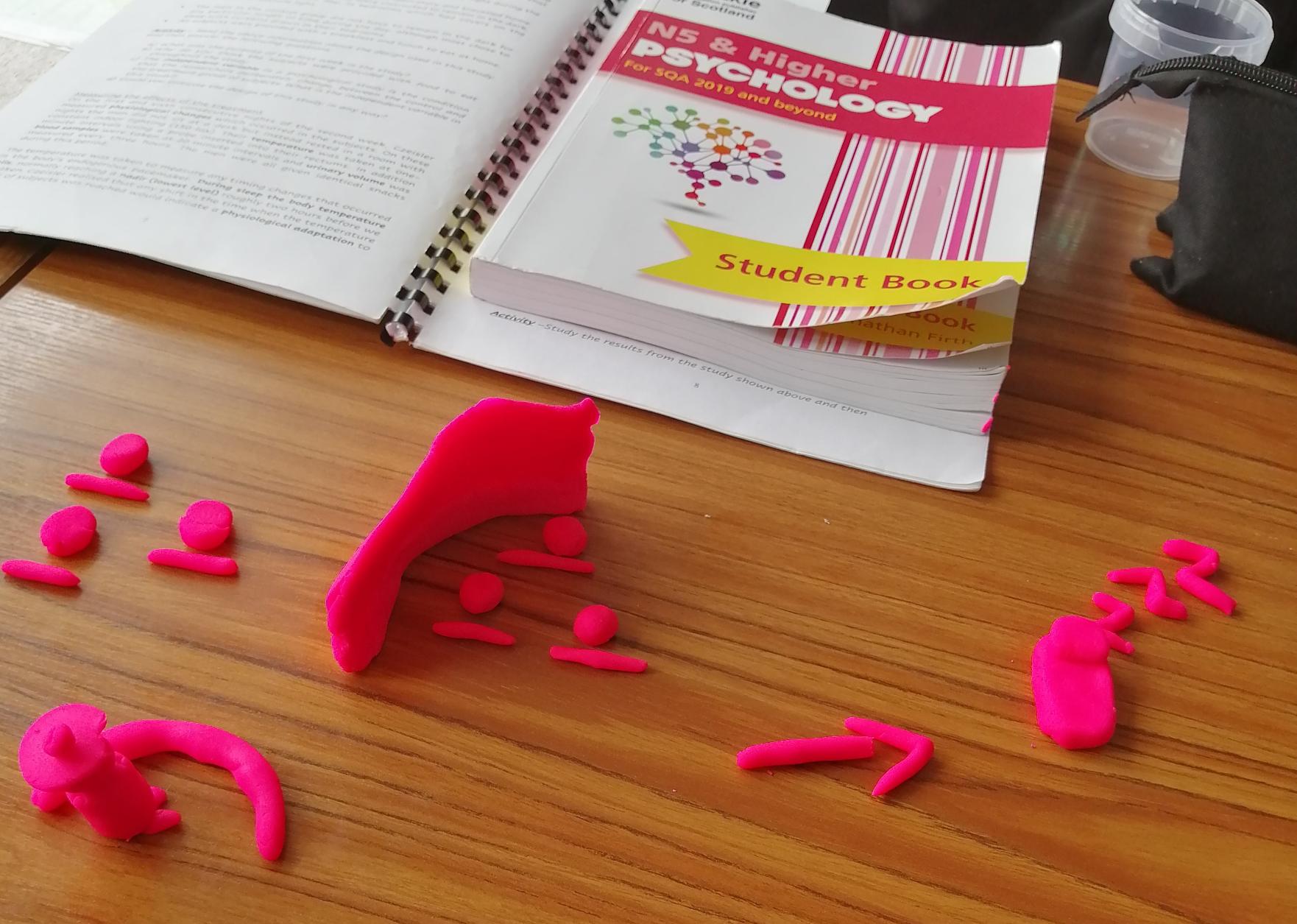
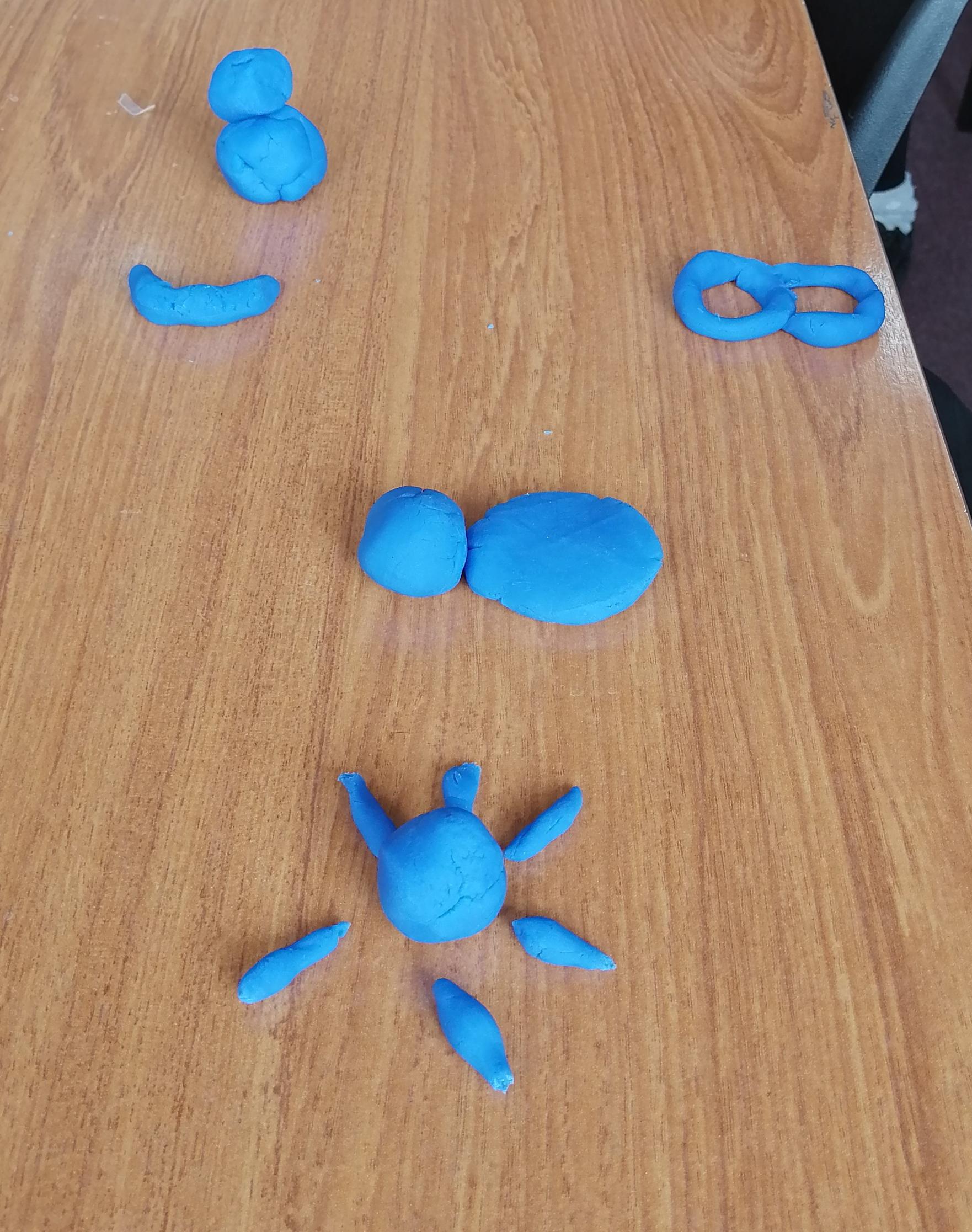
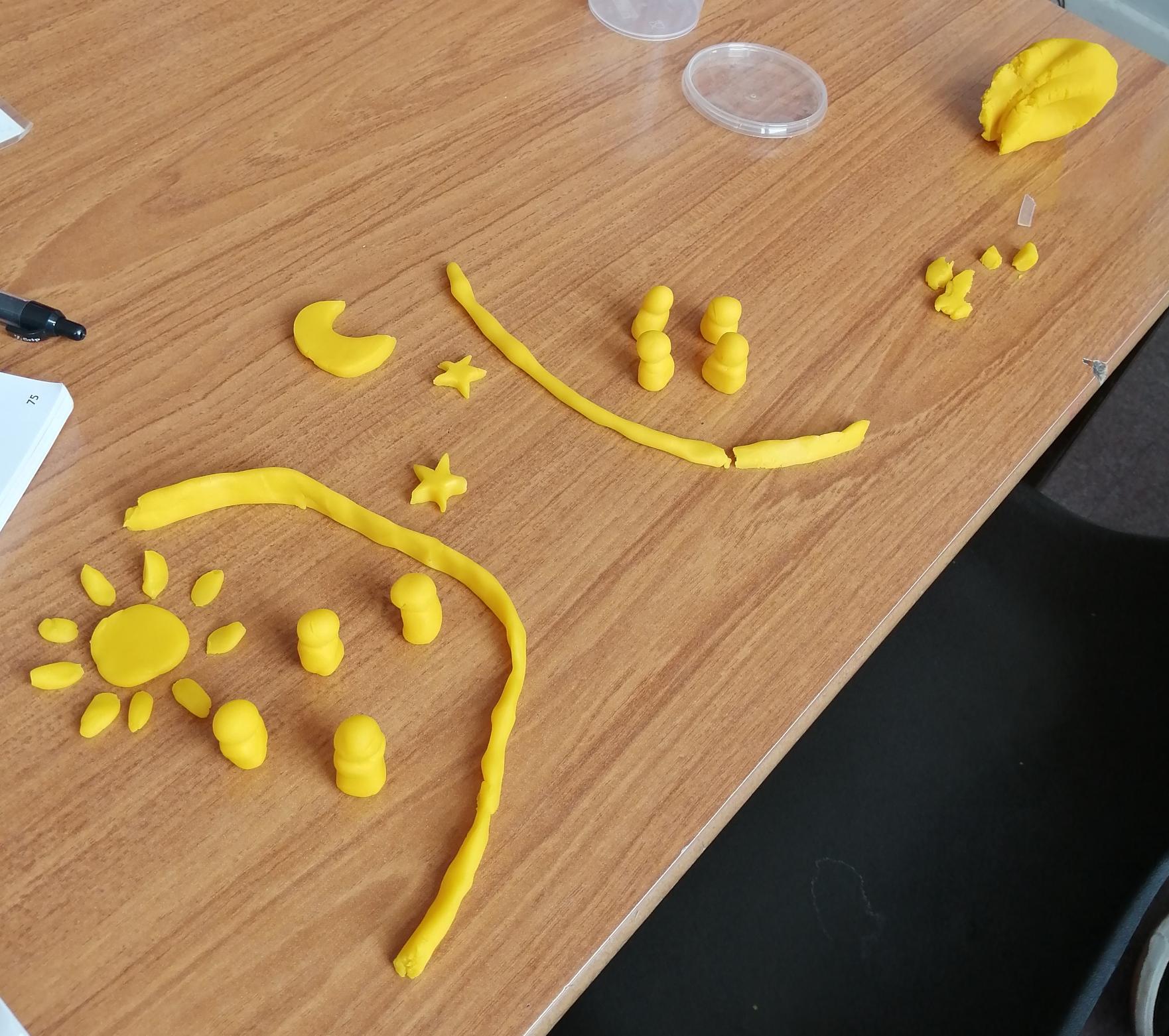
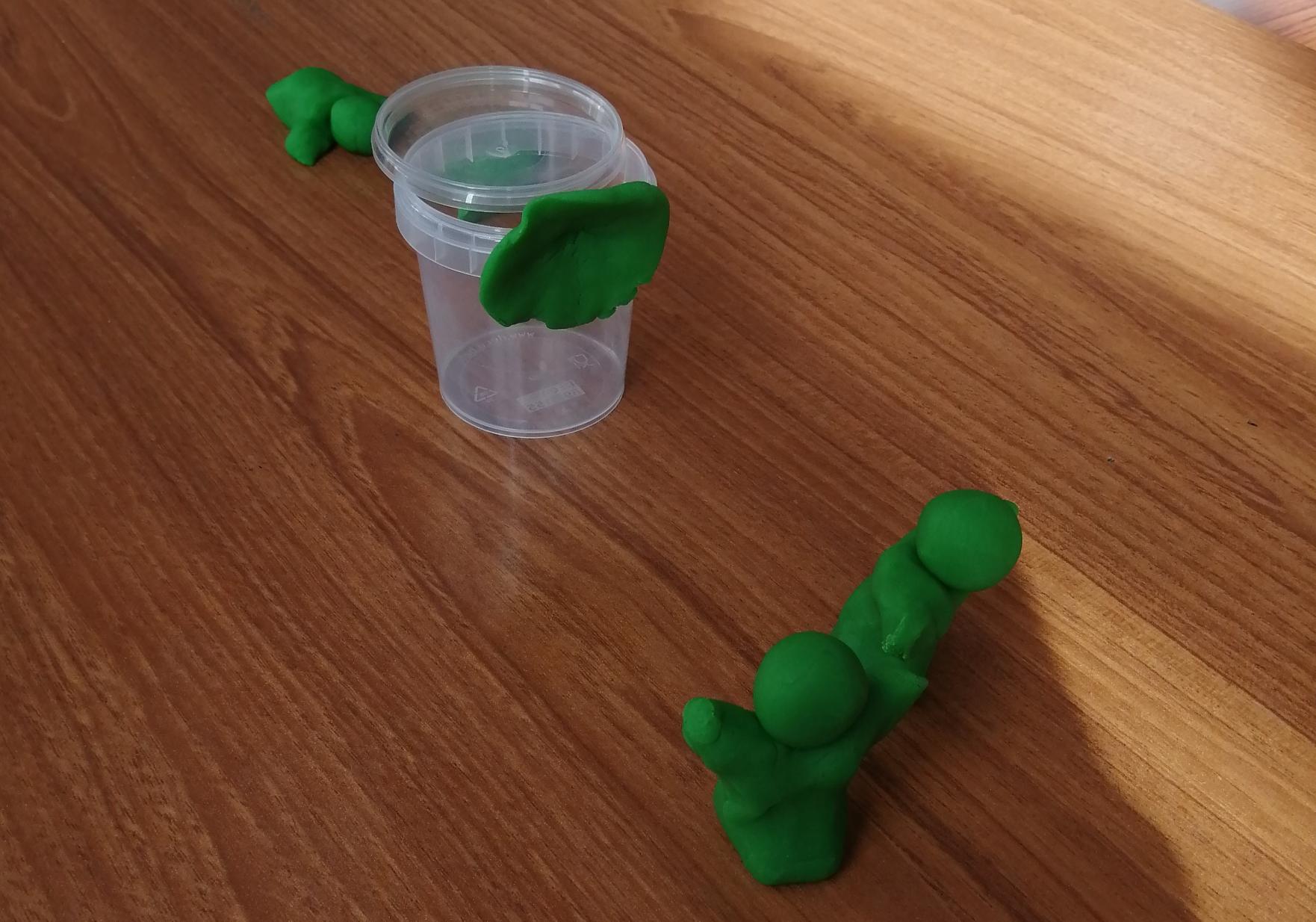
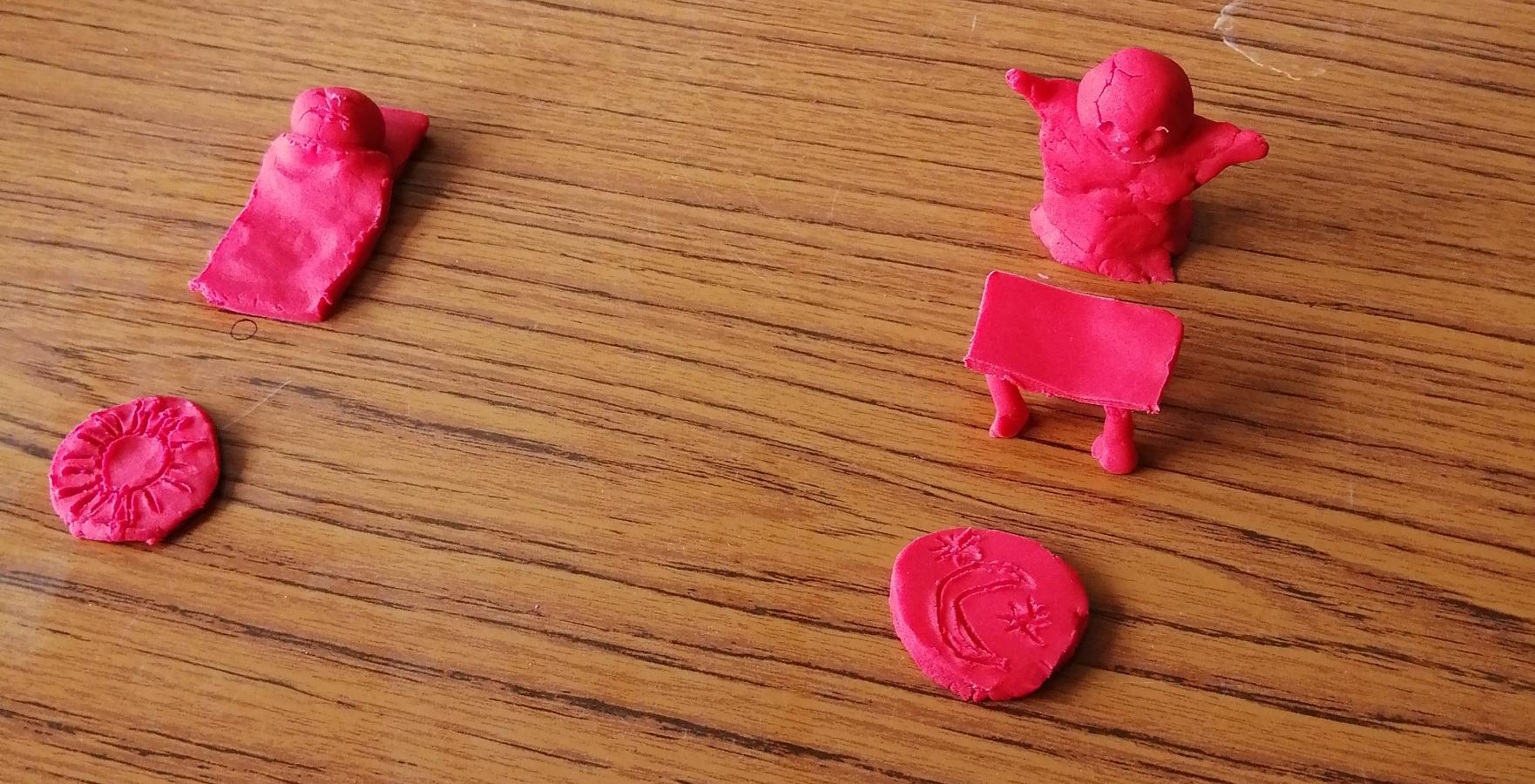
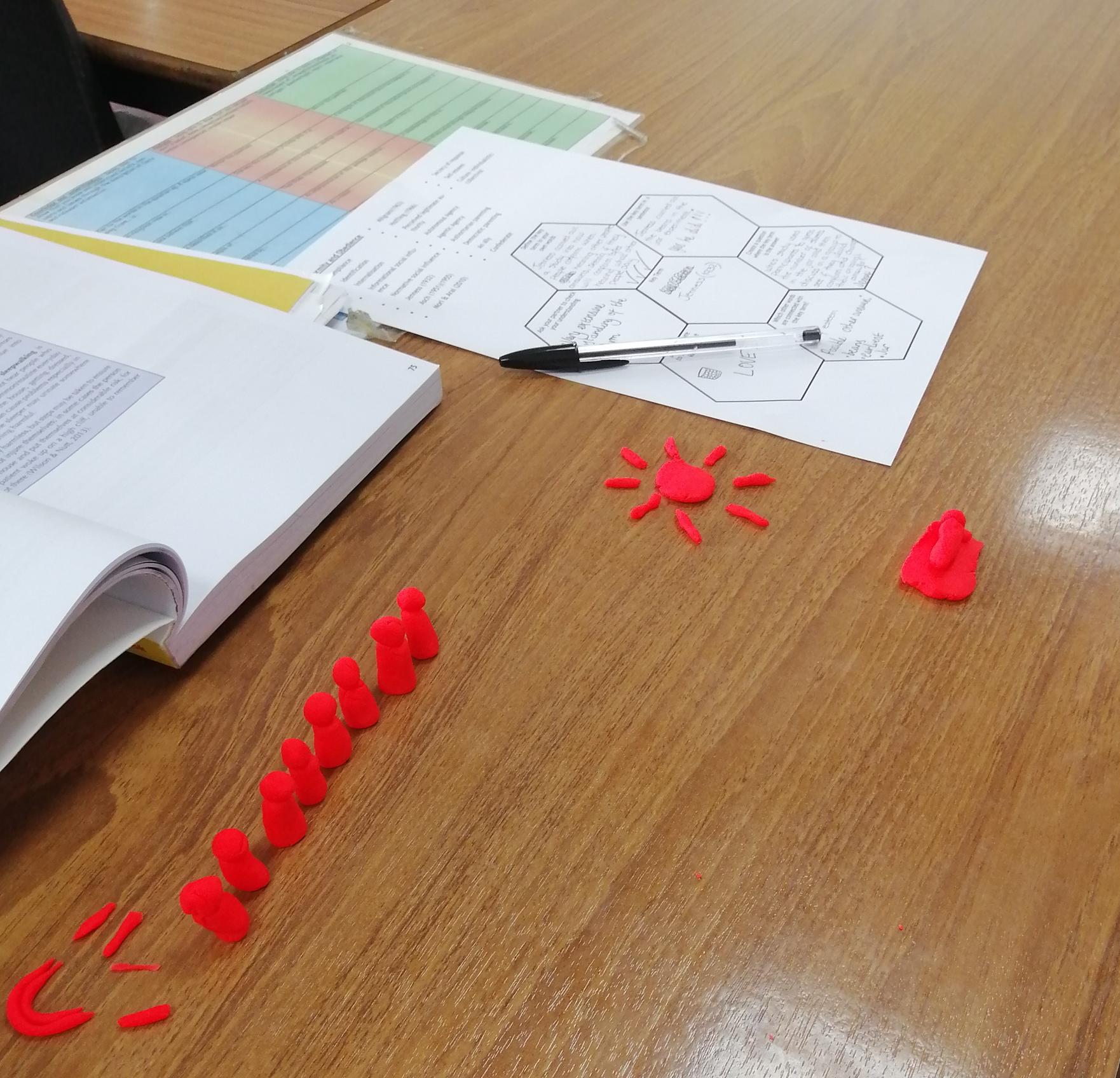
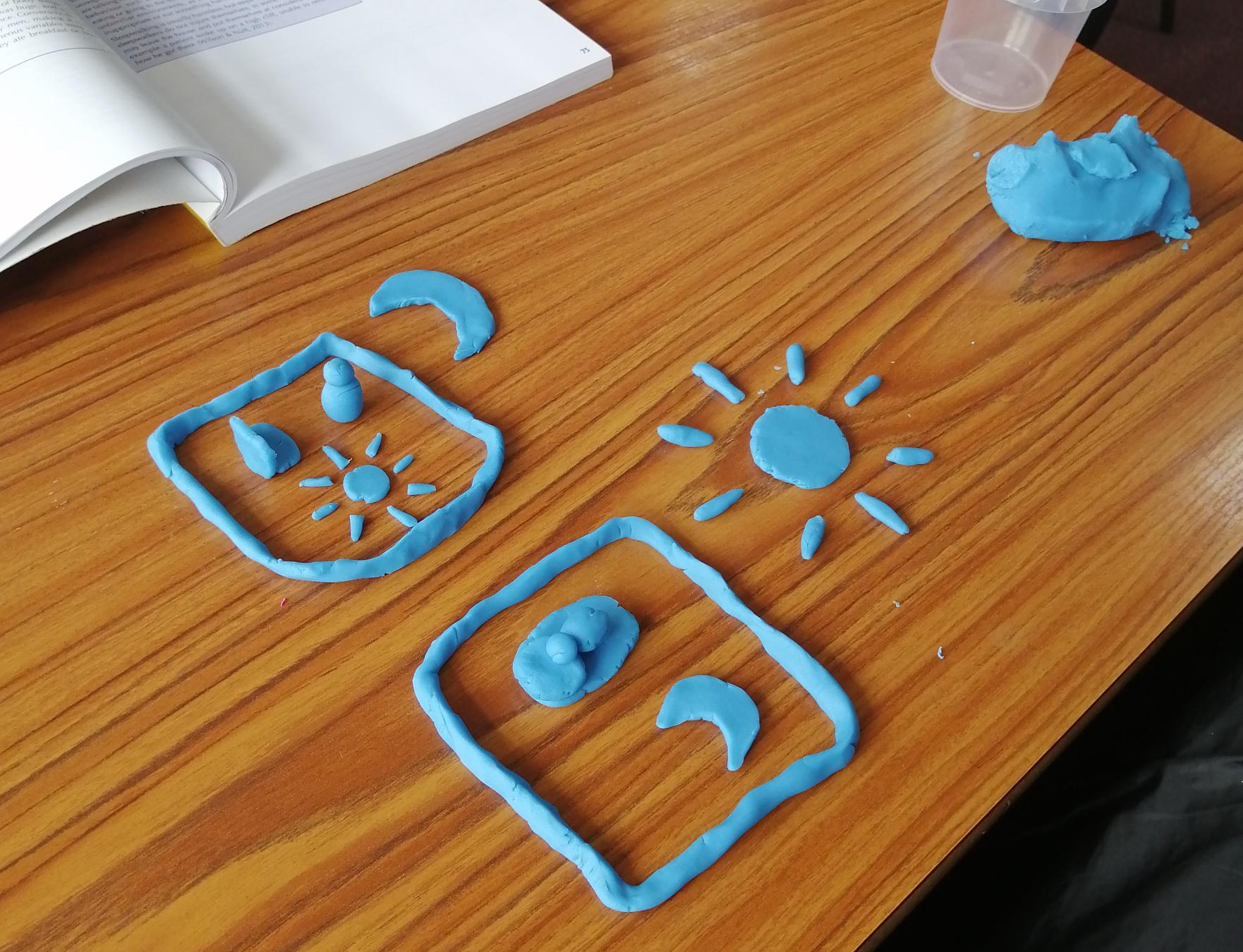
Czeisler et al (1990) study into shift work in playdoh!
March 15th 2022
Pupils have been working creatively using dual coding as a method of revision. The Czeisler et al (1990) study into shift work found that exposure to bright light during night shift and darkened rooms during daytime sleeping, helped to adjust the circadian rhythm improving alertness and safety in the workplace.
What is Psychology?
The word psychology actually comes from two words: “psyche” and “logos”.
The word psyche (pronounced- sigh-key) is Greek and means “breath of life”, “soul” or “spirit”. This translates very loosely as “mind”. The word logos (low-goss) means “knowledge” or “study”.
Hence, psychology was originally defined as: the study of the mind.
However, quite a few psychologists don’t like this definition because it’s impossible to study the mind directly. Such psychologists have in fact avoided this problem completely and study only behaviour, concentrating on what is seen to be happening.
Therefore the pursuit of the mind and the study of behaviour is a large part of the work of psychologists in their many different fields today.
Psychologists have developed their own rigorous methods for studying humans. Many psychologists use methods that are known to be scientific; for example controlled experiments, careful measurements and clear procedures. They also may use animals in their research because they believe that what they learn about animals can be applied to humans.
The Psychology Department
The psychology department is led by Mrs Zoe Brown.
Mrs Brown holds a BA(Hons) in Theology, Religious studies and History and PGCE Secondary Education. She is a member of NATRE and ATRES and is marker for the SQA Higher RMPS team. In 2021 she gained additional qualification in psychology through the Open University allowing her GTCS registration to teach psychology at Higher, and is currently working towards Msc Professional Education and Leadership wit the University of Stirling. Mrs Brown is also an affiliated subscriber of the British Psychological Society and a member of the Association for the Teaching of Psychology.
Mrs Brown has been a member of Langholm Academy staff for eleven years having previously taught in North Yorkshire.
SQA Higher Psychology
This course develops candidates’ understanding of psychology as the scientific study of the mind and behaviour.
Psychology provides candidates with opportunities to find out about some of the ways that thoughts and emotions can affect how we feel and behave. Candidates use appropriate psychological concepts, theories, research methods and evidence to investigate and analyse internal and external influences on human behaviour in a range of contexts.
Psychological knowledge of individual and social behaviour can support candidates in personal and professional relationships, and can enable them to understand some of the factors that influence behaviour.
Psychology is a research-based subject, and it provides the opportunity to conduct practical research, including working with human participants in accordance with ethical standards.
Candidates develop:
- knowledge and understanding of psychological concepts, theories, and terminology
- the ability to use thinking skills when analysing, evaluating and applying knowledge and understanding of psychology
- understanding of the role of research evidence in explaining human behaviour
- research skills to select, organise, interpret and evaluate information
- the ability to plan and carry out psychological research, using appropriate methods and according to ethical and scientific standards
- communication and numeracy skills used in psychology

|
HPsych course specification | [pdf 591KB] |

|
Course content 2023-2024
.

Sleep and Dreams
In this Individual behaviour unit candidates are supported to explain, evaluate and analyse psychological theories, concepts, research evidence and terminology when explaining human behaviour.
Candidates who study this unit will cover the following mandatory content:
Biological processes relating to sleep and dreams, which must include:
- The role of the brain in sleep
- Circadian rhythms
- Non-REM and REM sleep and dreaming
- Oswald’s (1966) Restoration theory of sleep
- The aims, methods, results and conclusions of Dement, W. and Kleitman, N. (1957). The relation of eye movements during sleep to dream activity: an objective method for the study of dreaming. Journal of Experimental Psychology 53, 339–46
Cognitive processes relating to sleep and dreams, which must include:
- Sleep to facilitate information processing
- Crick and Mitchison’s (1986) Reorganisational theory of dreaming
- The aims, methods, results and conclusions of Czeisler, C. A., Johnson, M. P., Duffy, J. F., Brown, E. N., Ronda, J. M. and Kronauer, R. E. (1990). Exposure to bright light and darkness to treat physiologic maladaptation to night work. New England Journal of Medicine 322, 1253–59
Psychodynamic processes relating to sleep and dreams, which must include:
- Conscious and unconscious processes
- Manifest and latent content of dreams
- Defence mechanisms
Factors affecting sleep, which must include:
- Impact of drugs
- Impact of light

Prejudice
In this social behaviour unit candidates are supported to explain, evaluate and analyse psychological theories, concepts, research evidence and terminology when explaining human behaviour.
Candidate who study this unit will cover the following compulsory content:
Types of discrimination, which must include:
- direct and indirect
- racial
- age
- gender
Explanations of prejudice, which must include:
- authoritarian personality
- stereotyping
- realistic conflict theory
- scapegoat theory
- social identity theory
The aims, methods, results, evaluation and conclusions of one study into an explanation of prejudice
ways of reducing prejudice, which must include:
- the jigsaw technique
- media’s ability to challenge stereotypes
- education
- affirmative action
- the aims, methods, results, evaluation and conclusions of one study into ways of reducing prejudice
Conformity and Obedience
In this social behaviour unit candidates are supported to explain, evaluate and analyse psychological theories, concepts, research evidence and terminology when explaining human behaviour.
Candidate who study this unit will cover the following compulsory content:
Types of conformity, which must include:
- Identification
- Compliance
- Internalisation
Factors affecting conformity, which must include:
- Normative influence
- Informational influence
- Individual factors: gender, self-esteem
- Situational factors: group size, group unanimity, task difficulty
- Cultural factors: collectivist and individualistic cultures
- The aims, methods, results, evaluation and conclusions of Mori, K., and Arai, M. (2010). No need to fake it: Reproduction of the Asch experiment without confederates. International Journal of Psychology 45 (5), 390–97
Factors affecting obedience, which must include:
- Perceived legitimate authority
- Socialisation
- Authoritarian parenting
- Autonomous and agentic levels of behaviour
- Situational factors: proximity, location, wearing a uniform
- The aims, methods, results, evaluation and conclusions of Milgram, S. (1963). Behavioural study of obedience. Journal of Abnormal and Social Psychology 67, 371–78, and relevant knowledge from Milgram’s subsequent related studies

The Assignment
The assignment is worth 40 marks out of a total of 120 marks for the course assessment therefore contributes one third of the overall SQA grade.
The assignment enables candidates to demonstrate the following skills, knowledge and understanding to meet the requirements of the task:
- The stages of the research process
- Ethical issues in terms of current BPS guidelines
- Research methods, including: field, laboratory and natural experiments; observation; case study; interview and questionnaire
- Variables: independent, dependent, and extraneous
- Sampling methods: opportunity, random, self-selection, systematic, quota and stratified
- Descriptive statistics and their interpretation: mean, median, mode and range, and how to calculate them from a set of data
Candidates will:
- Choose a topic for research from the areas they have studied
- Carry out background research on the topic
- Plan primary research according to the research plan and implement British Psychological Society (BPS) ethical guidelines
- Carry out primary research according to the research plan and implement BPS ethical guidelines
- Produce a report that conforms to the style and format of a psychology research report
Candidates work on their research with minimal support from their teacher or lecturer.

|
HIGHER ASSIGNMENT CHECKLIST MARKING GRID | [docx 23KB] |
|
Resourses for study
|
|
Conf & Ob Revision Notes | [docx 142KB] |
|
|
|
Research based study guide | [pdf 514KB] |
|
|
|
Revision hexagons | [pdf 104KB] |
|
|
|
ATP Reading list | [pdf 87KB] |
|
|
|
H Psych revision planner | [docx 15KB] |
|
|
|
Disorders SJR | [docx 1MB] |
|

|
sleep and dreams revision classroom | [pptx 6MB] |
|
|
|
Higher Psychology Command words | [pptx 79KB] |
|
|
|
Higher Psychology Assignment SQA doc | [pdf 427KB] |
|
|
|
SQA assignment-template | [docx 30KB] |
|
|
|
Research Booklet H ZB | [docx 2MB] |
|

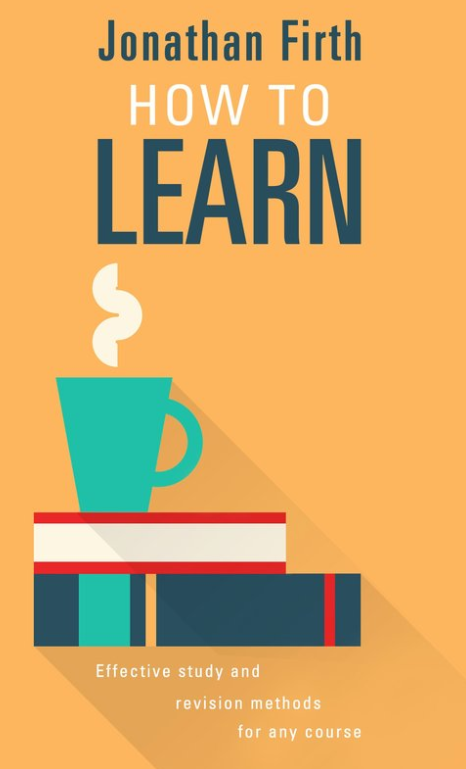
Some interesting reading
Contact the Department
For more information regarding the Psychology department, please contact staff using the form provided.
Website Privacy Policy
What level are you studying at?